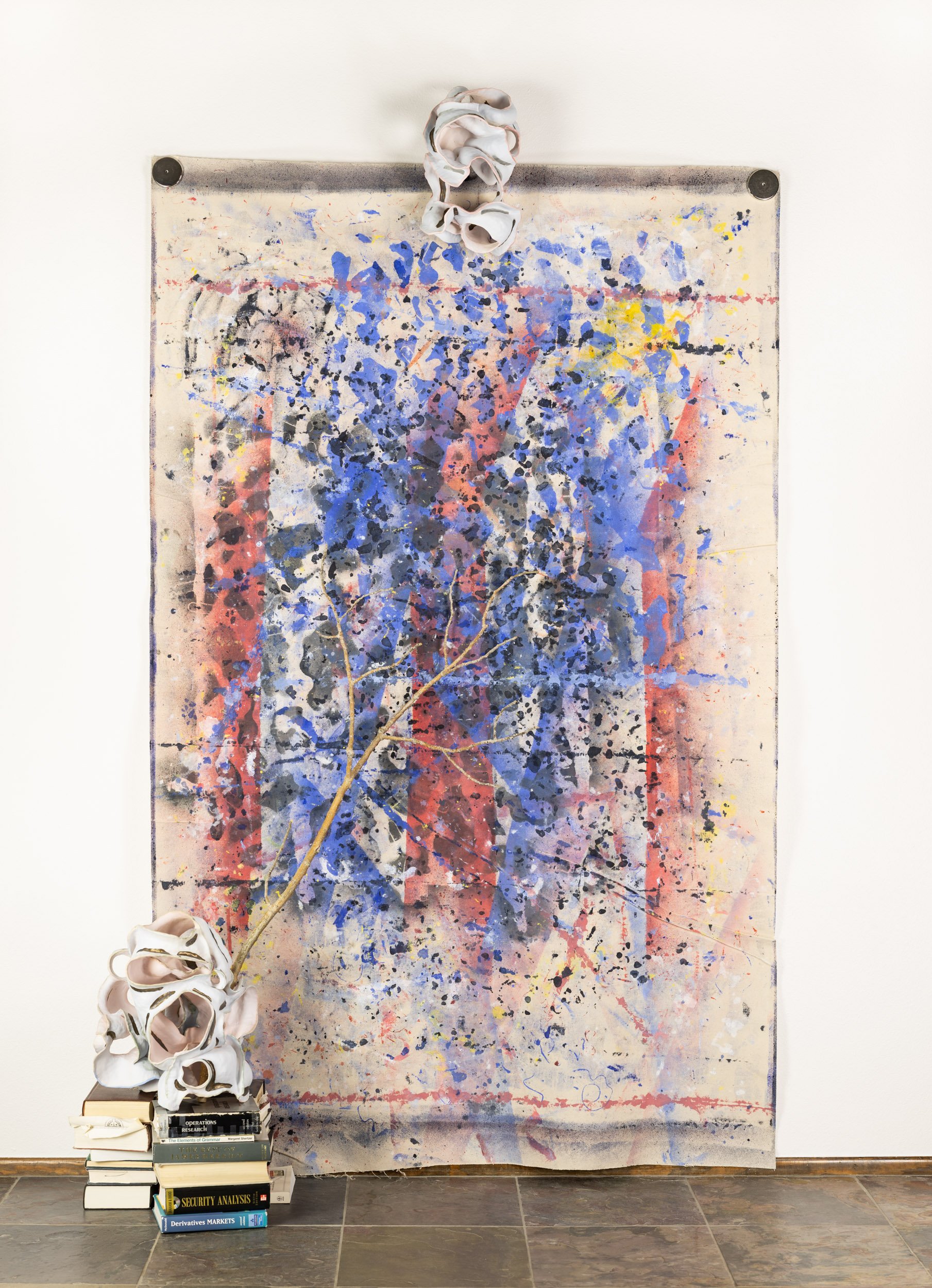
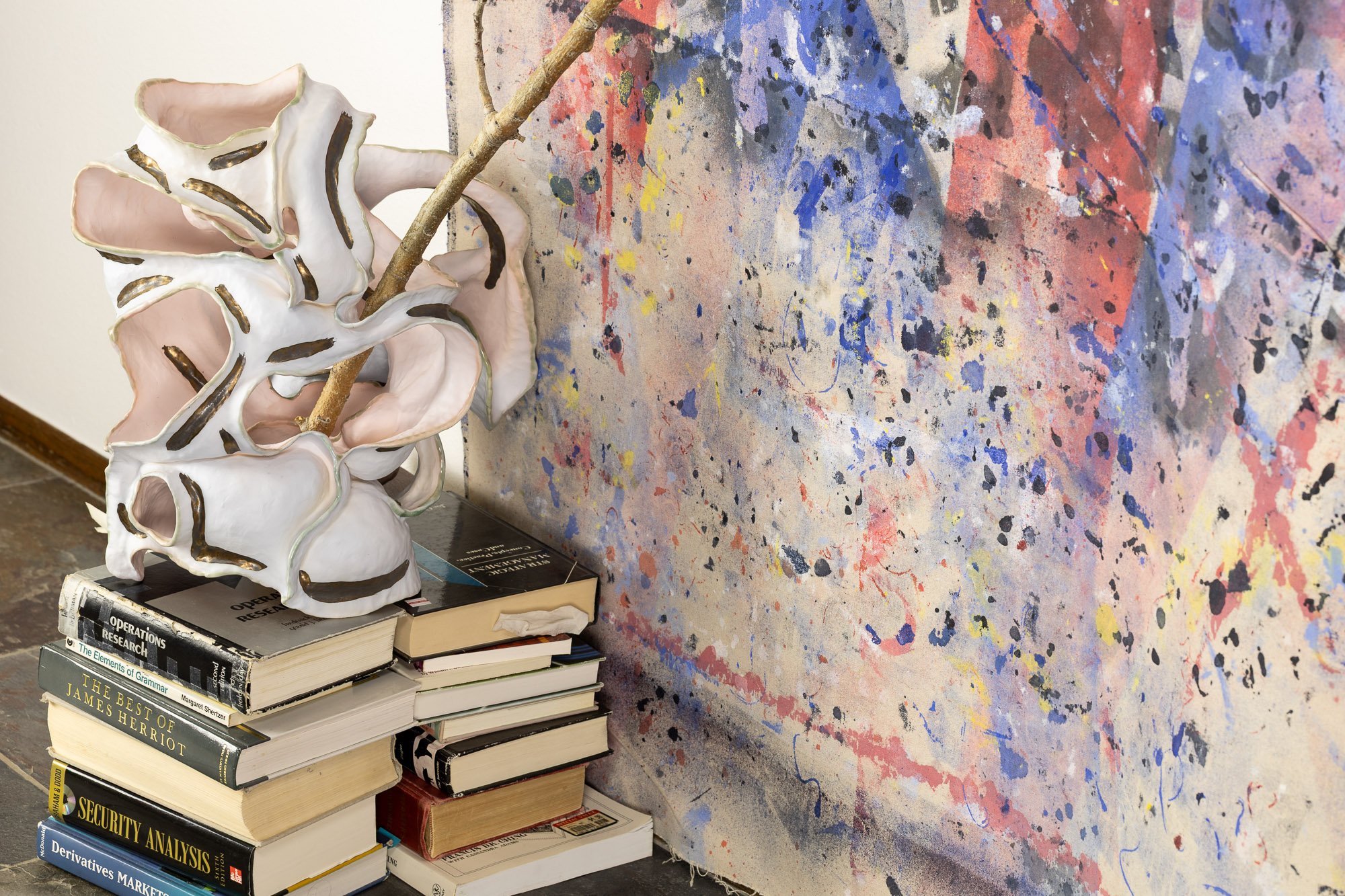
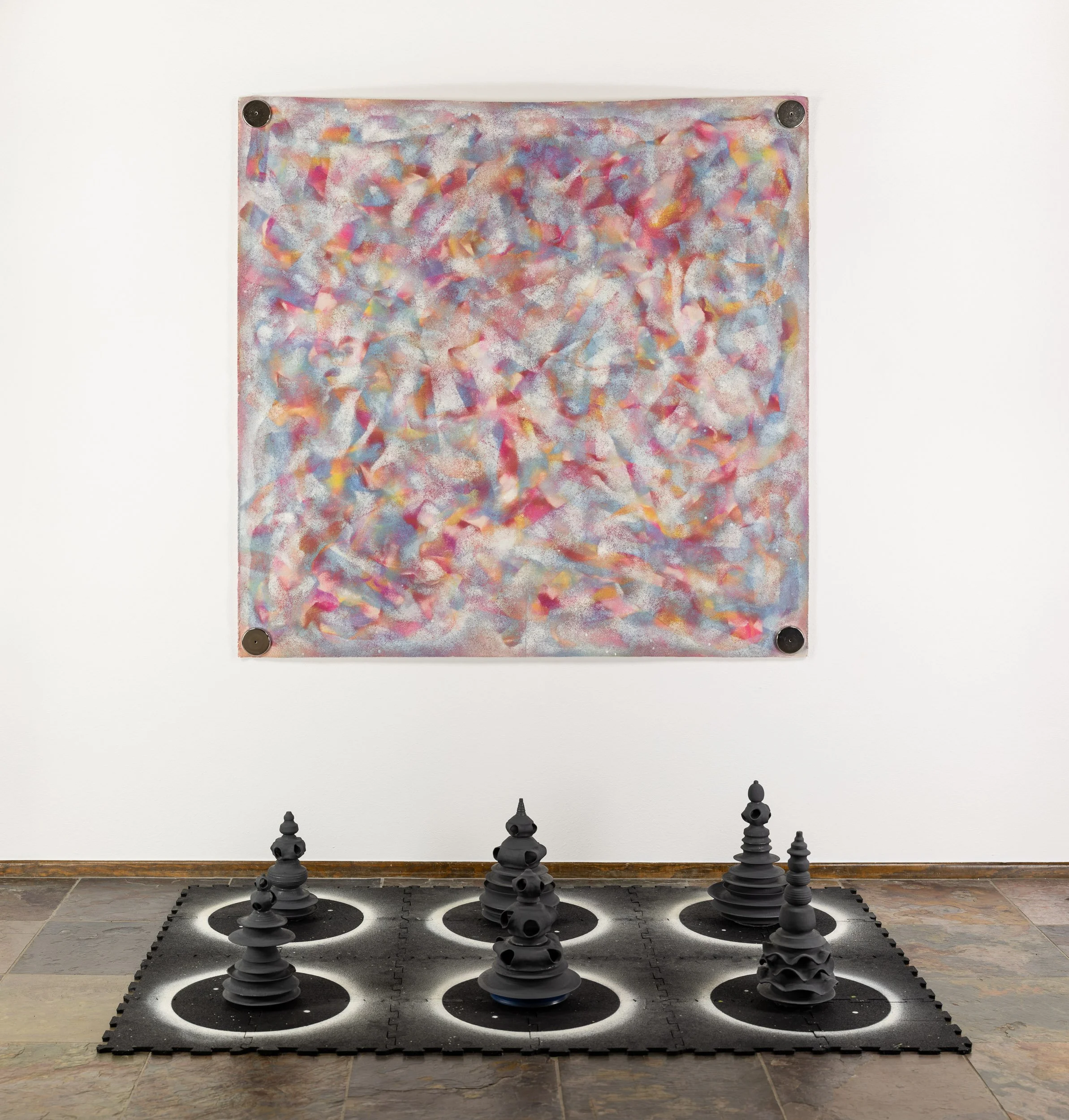
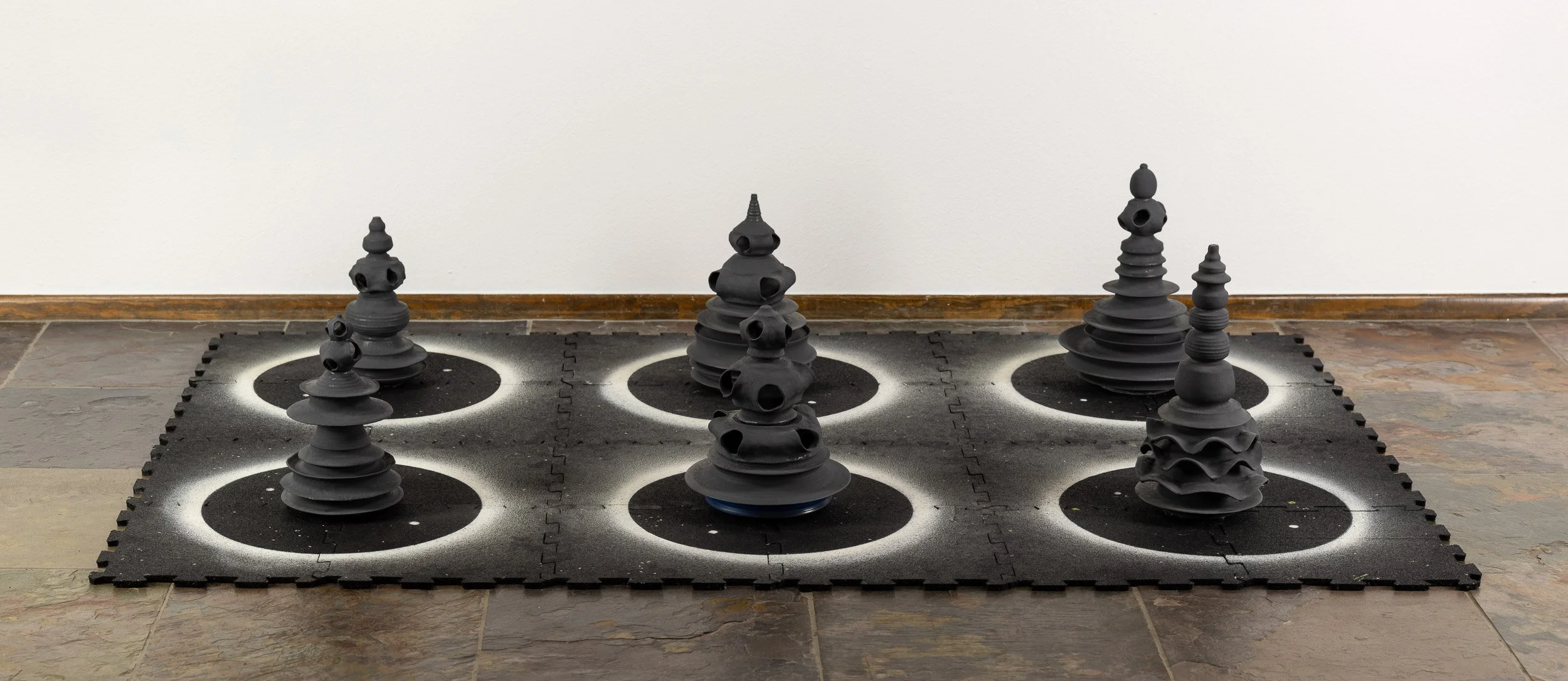
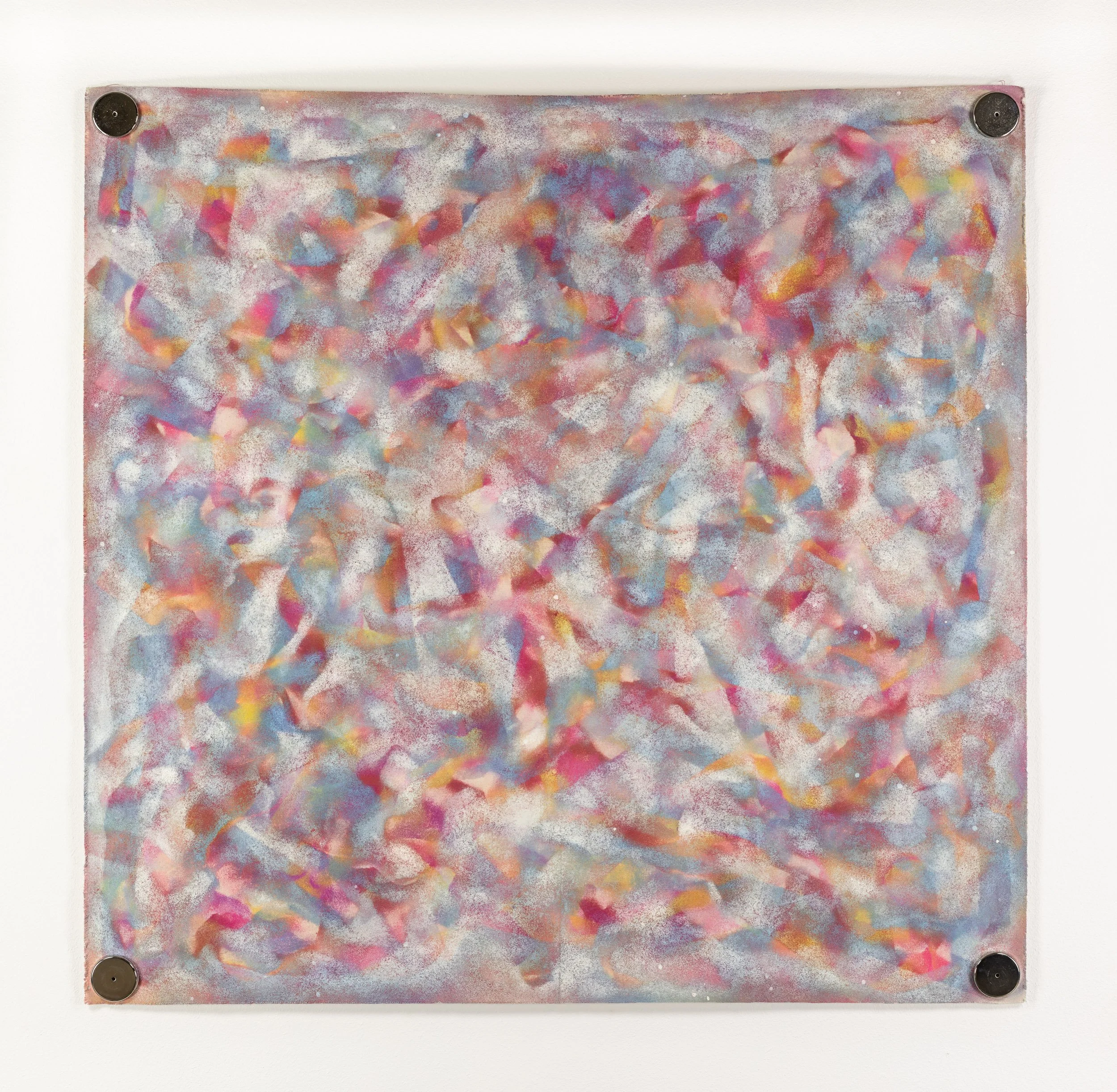
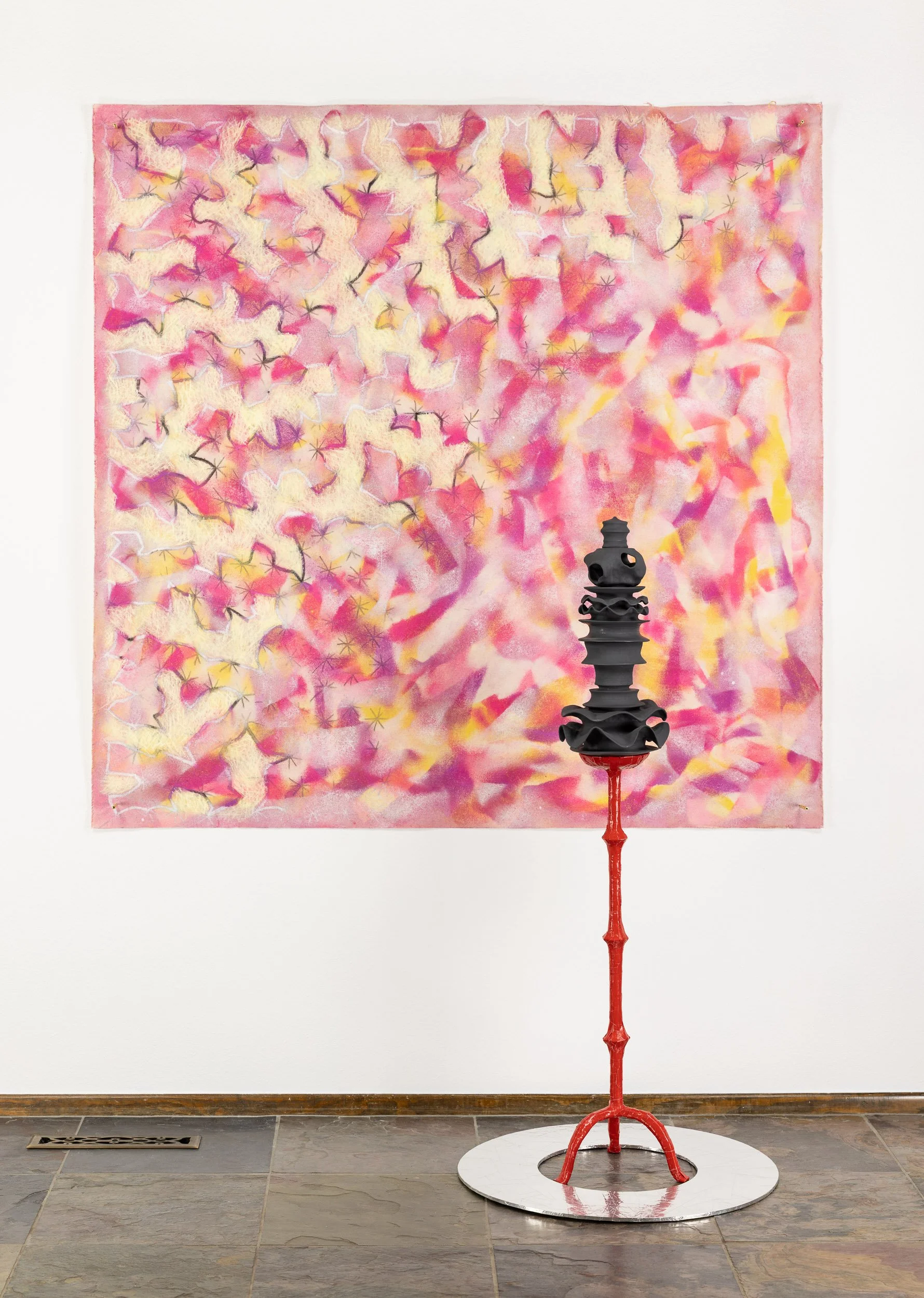
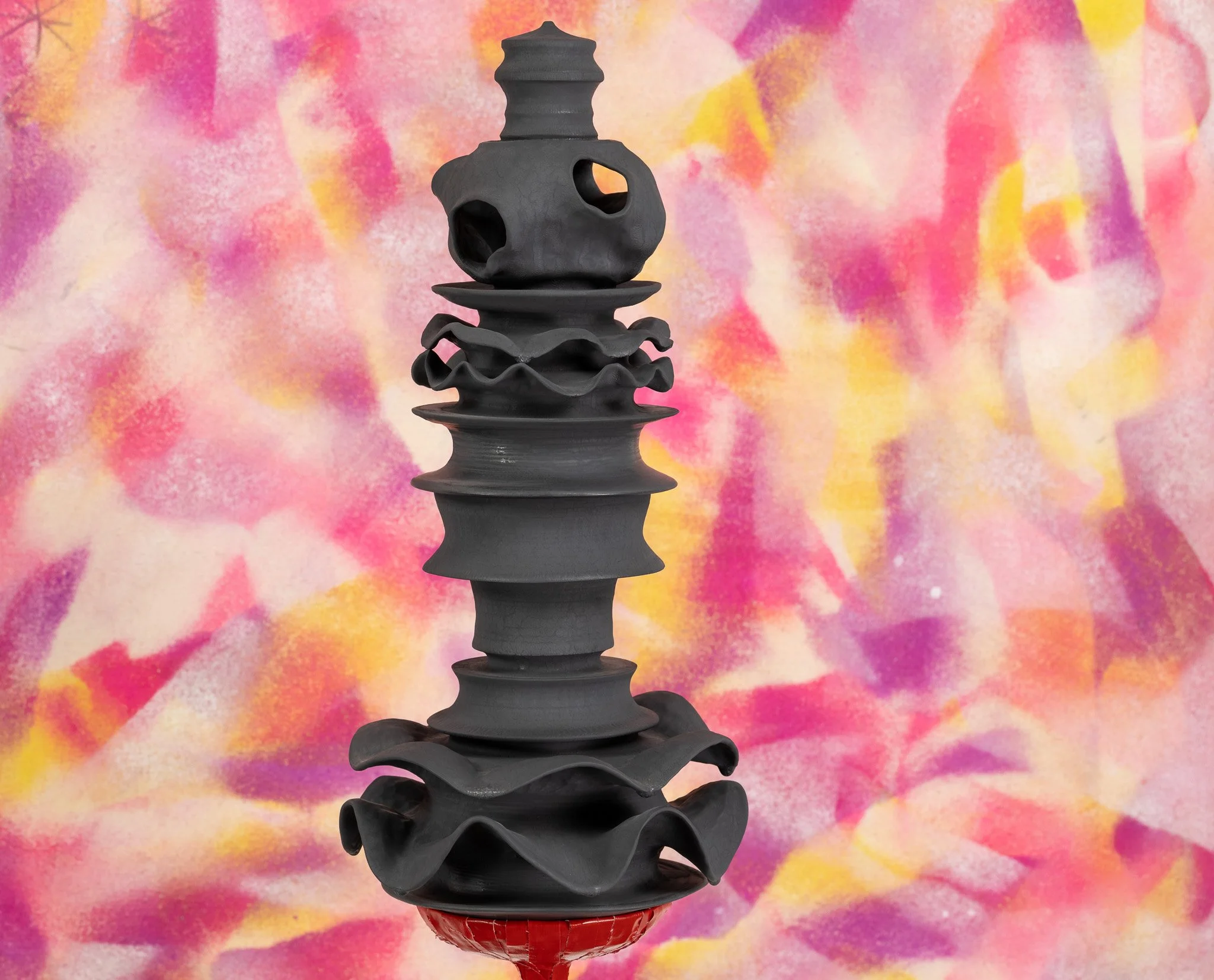
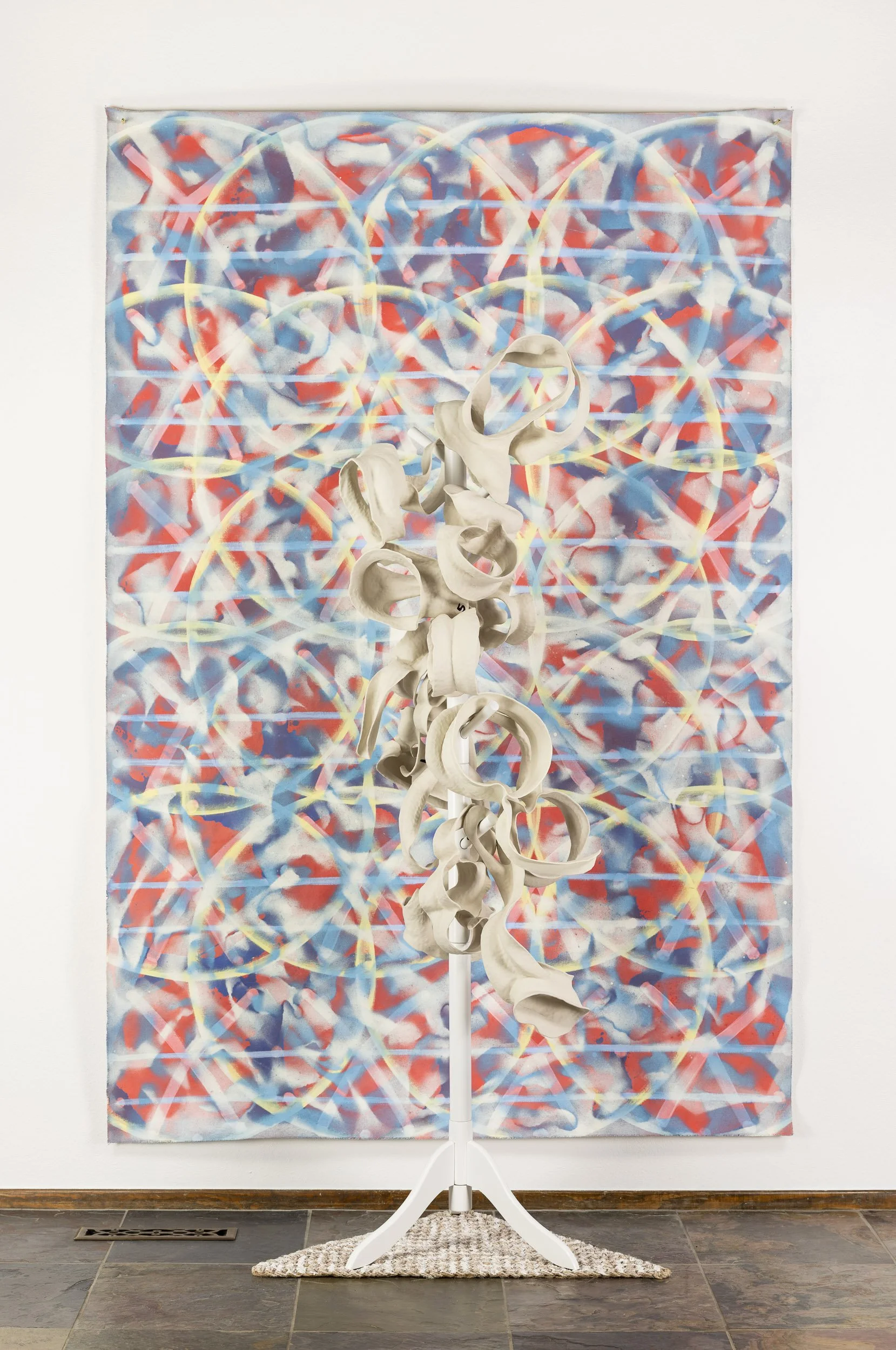
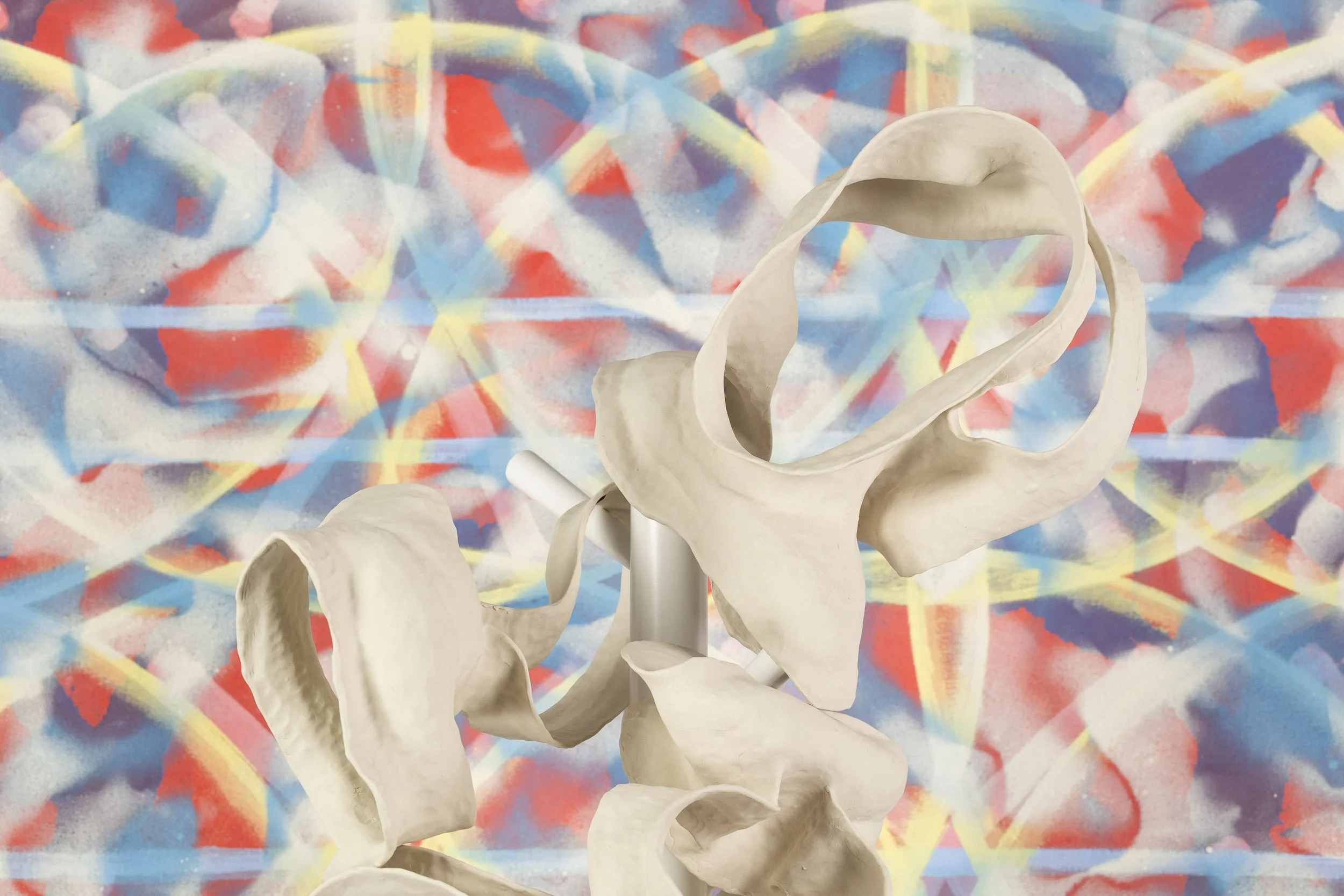
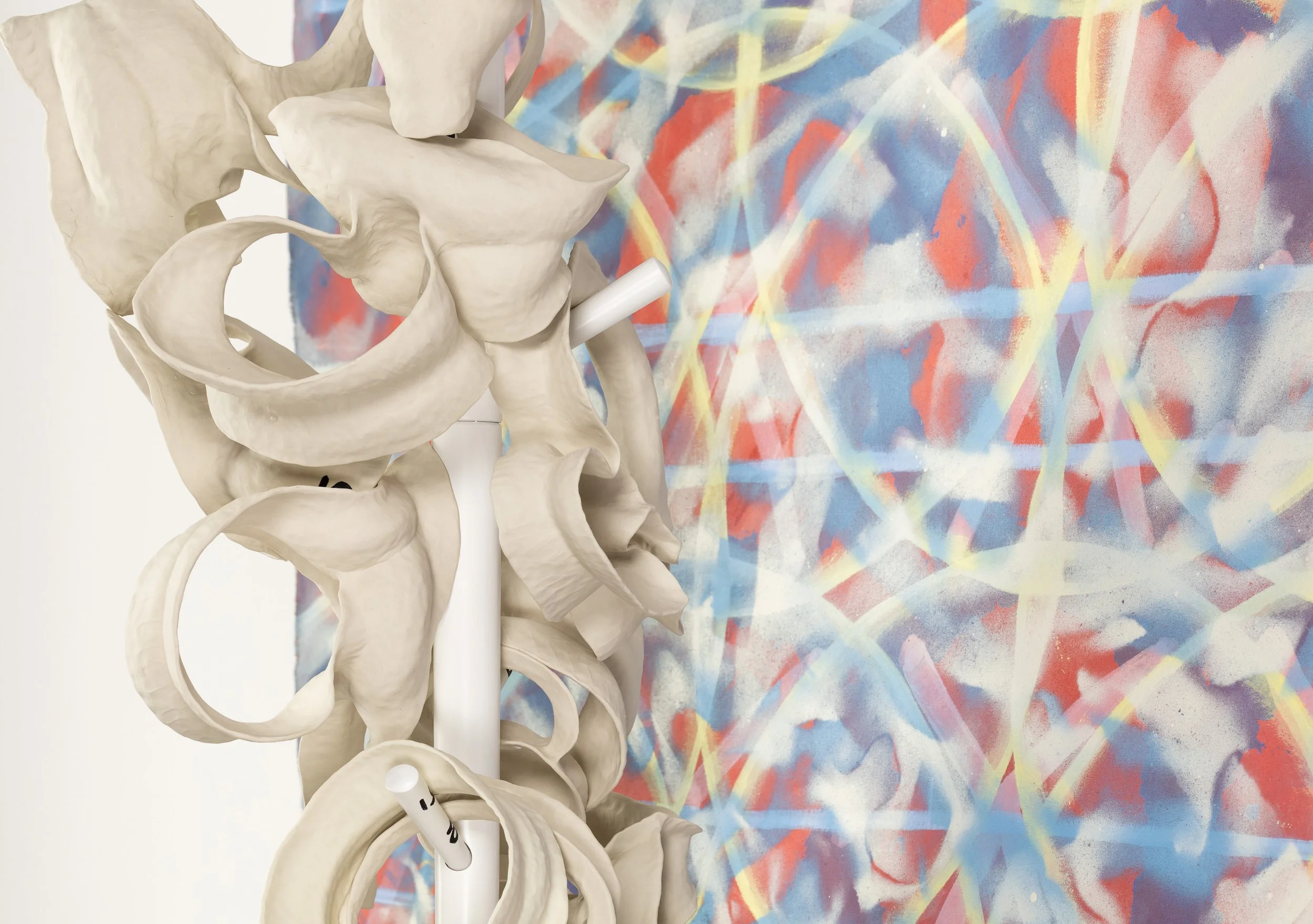
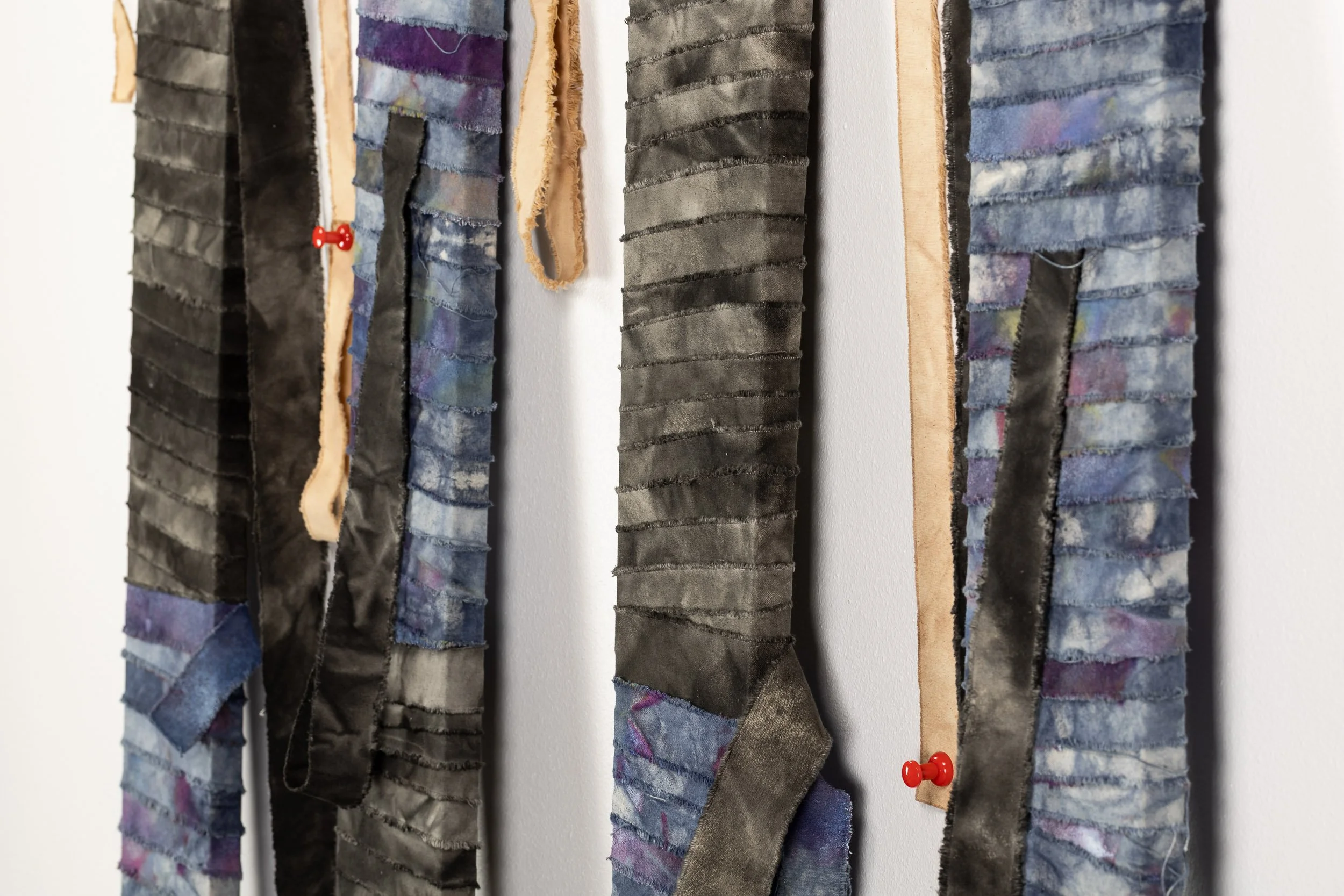
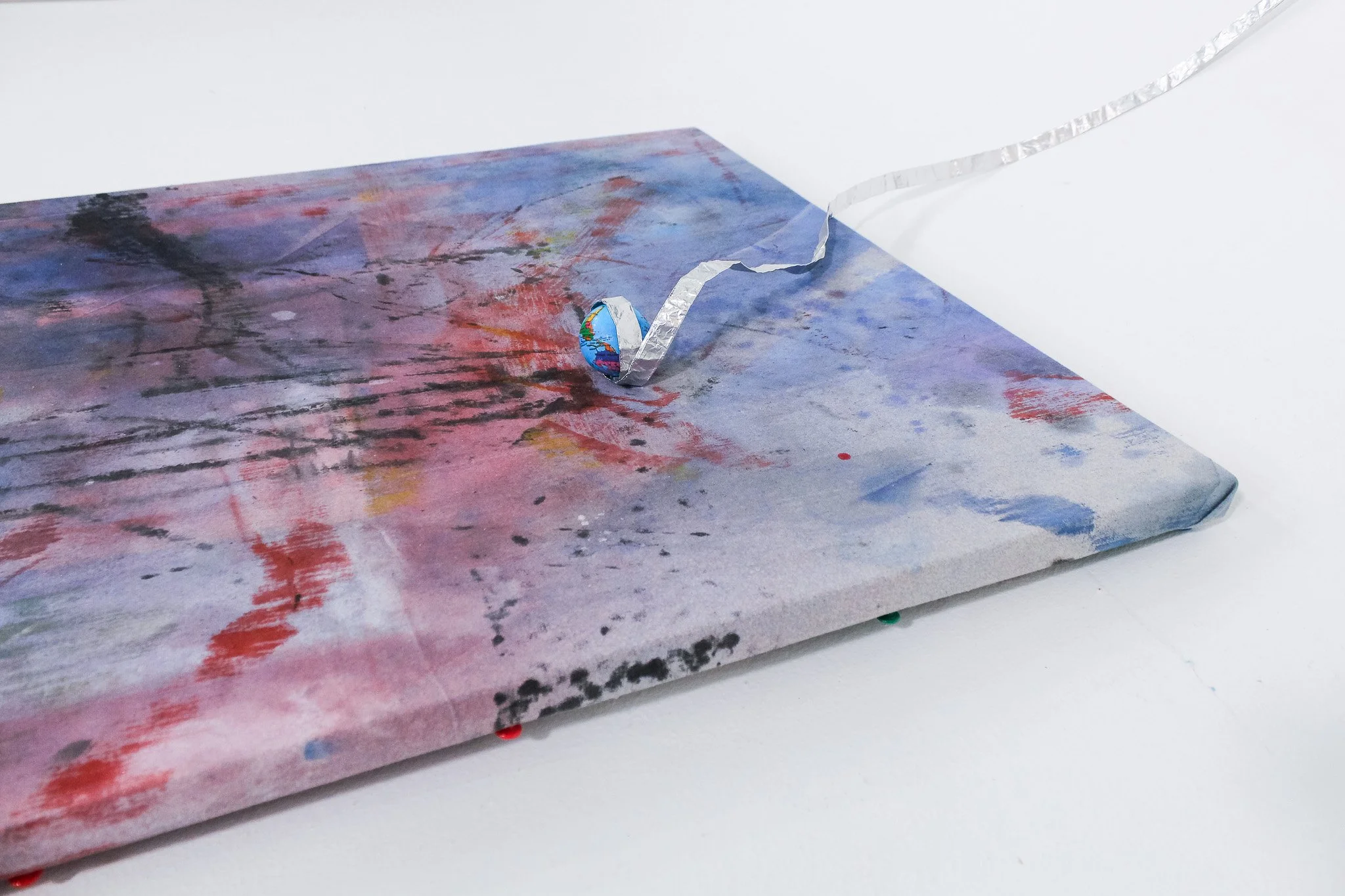
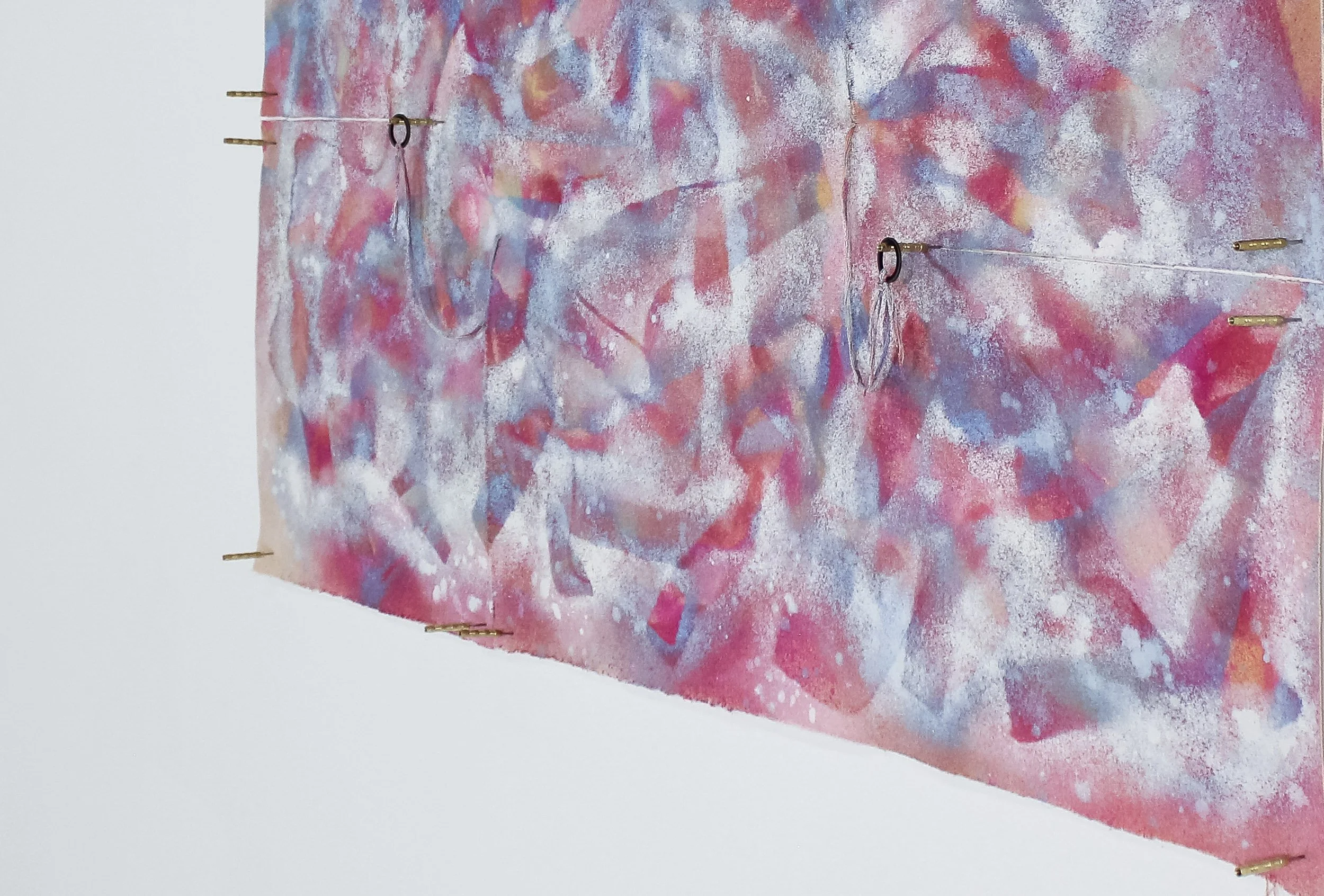
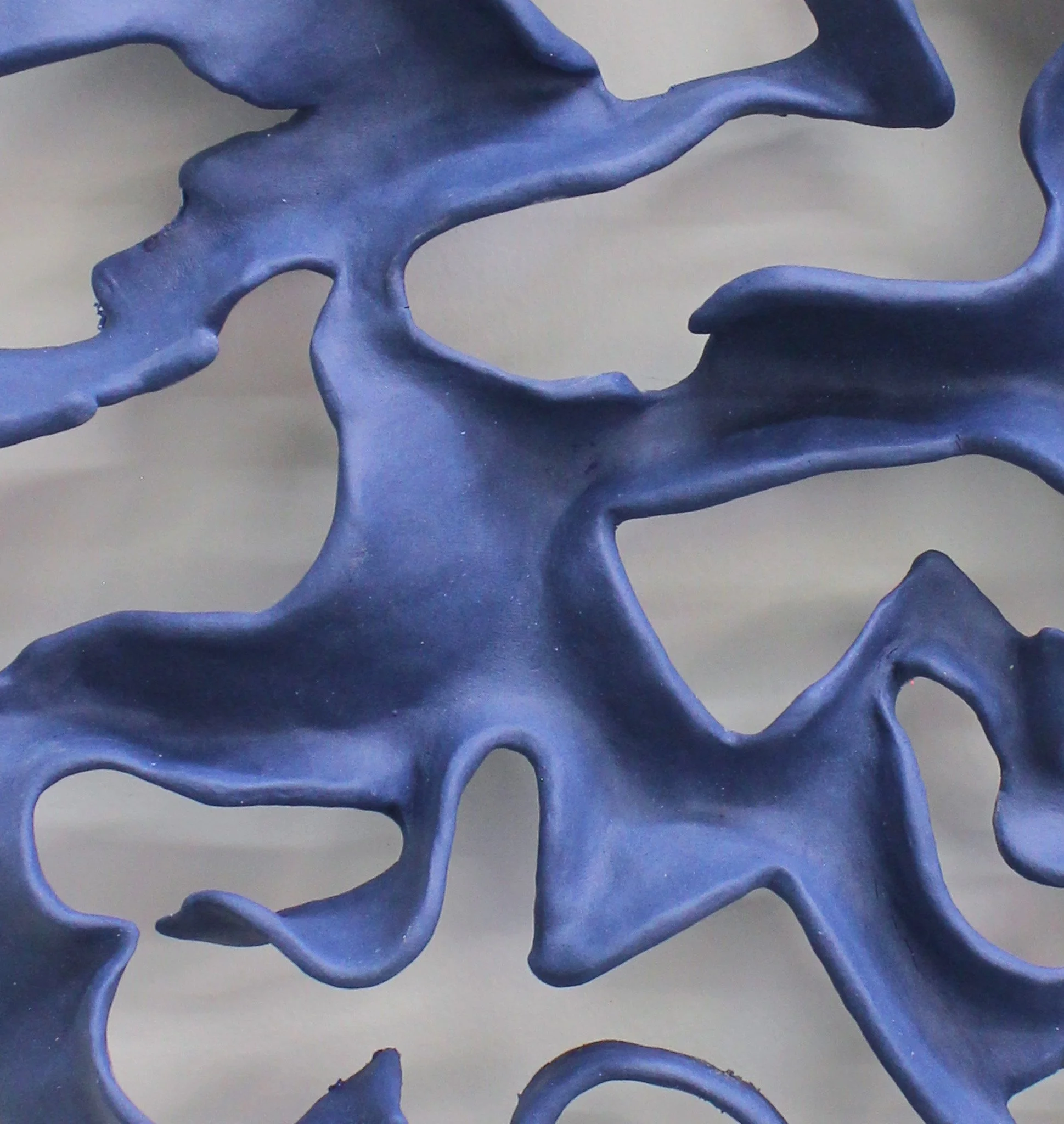
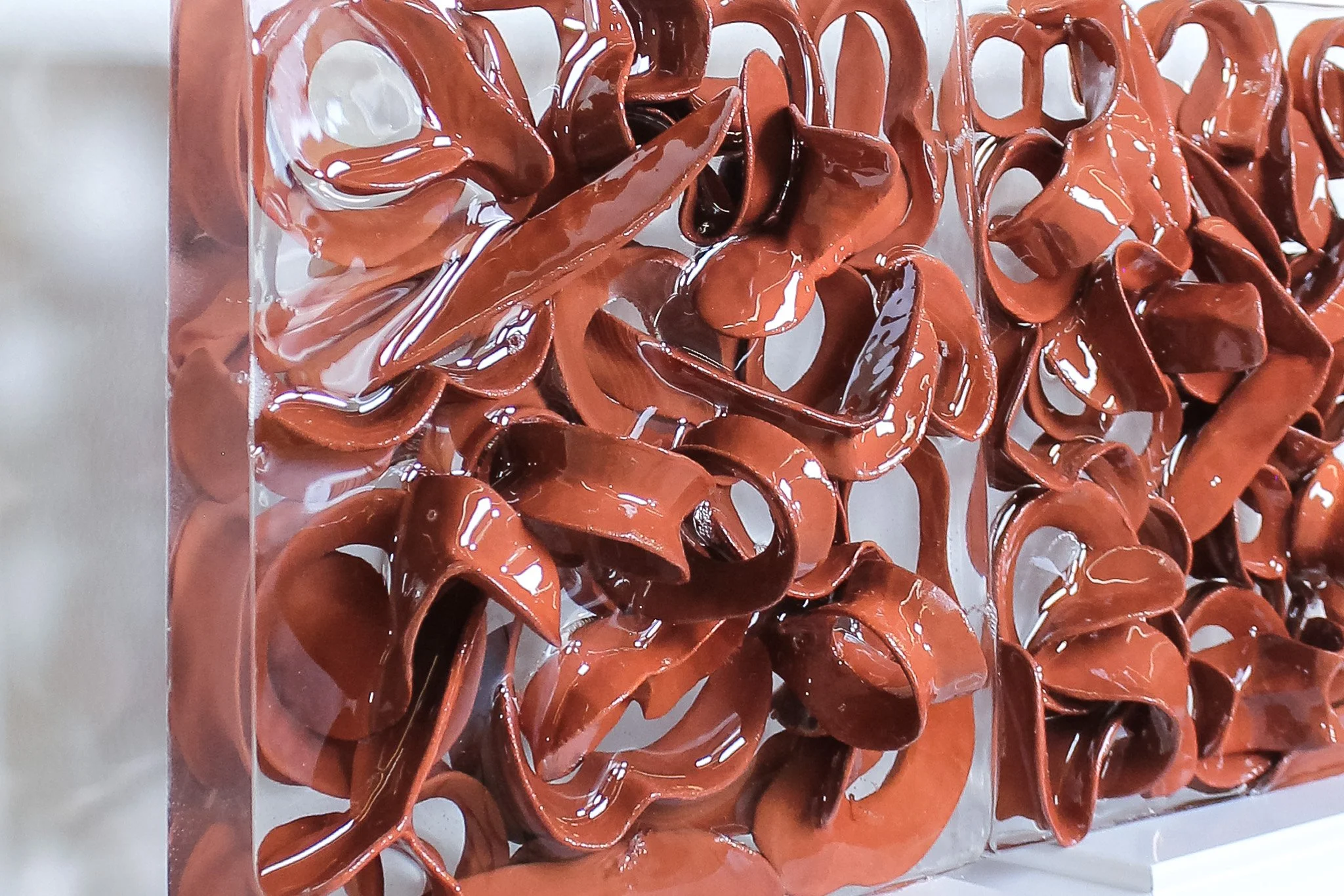
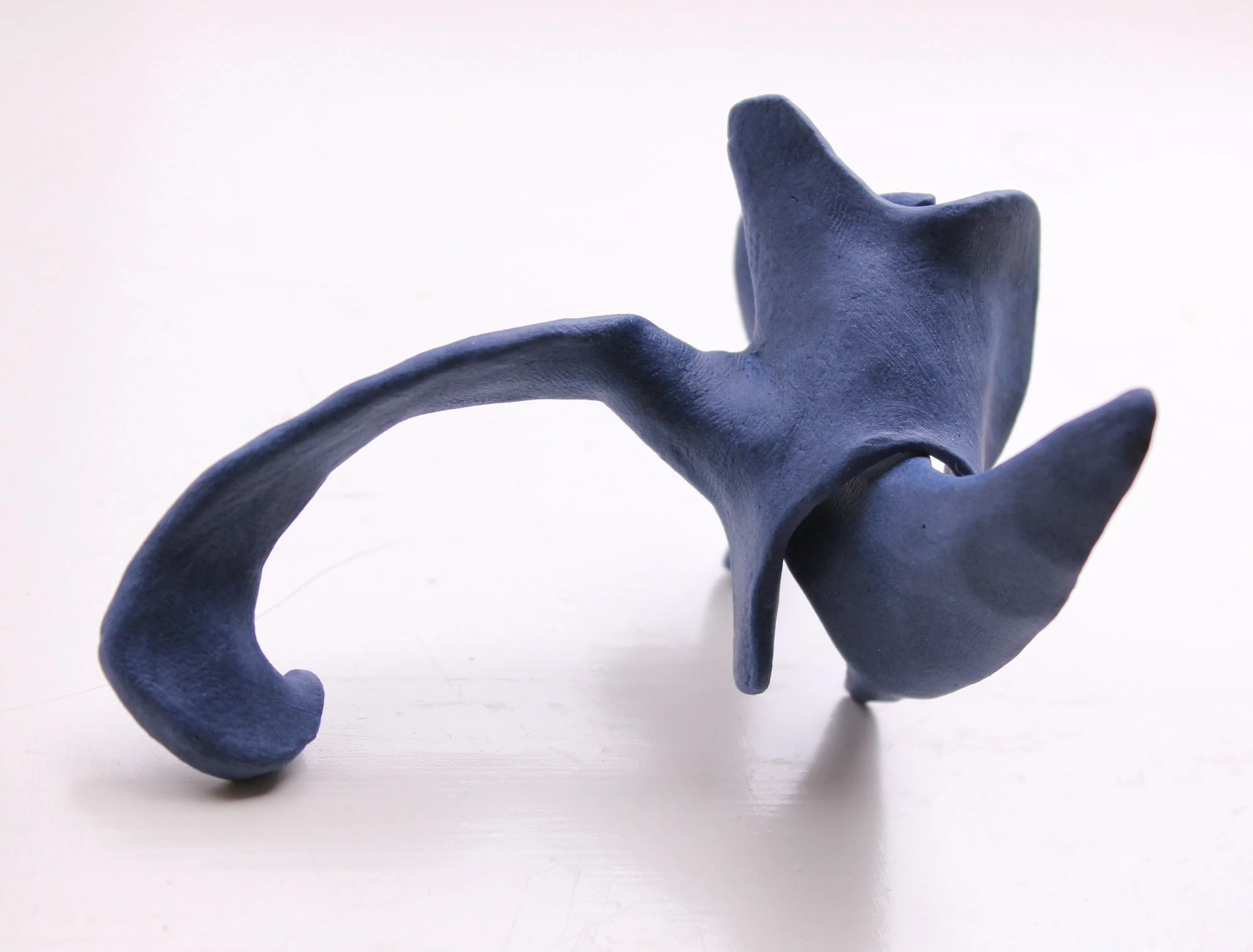
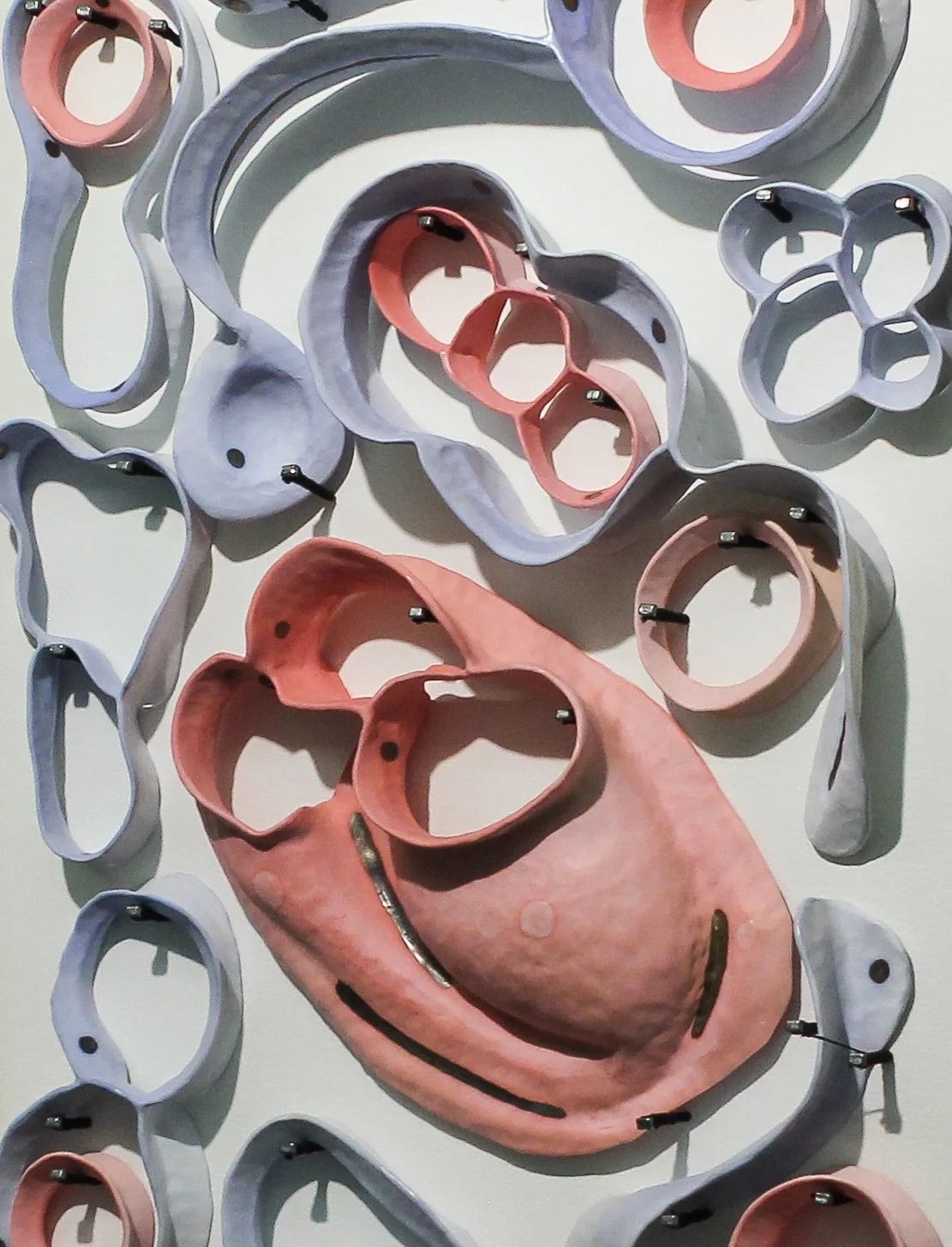
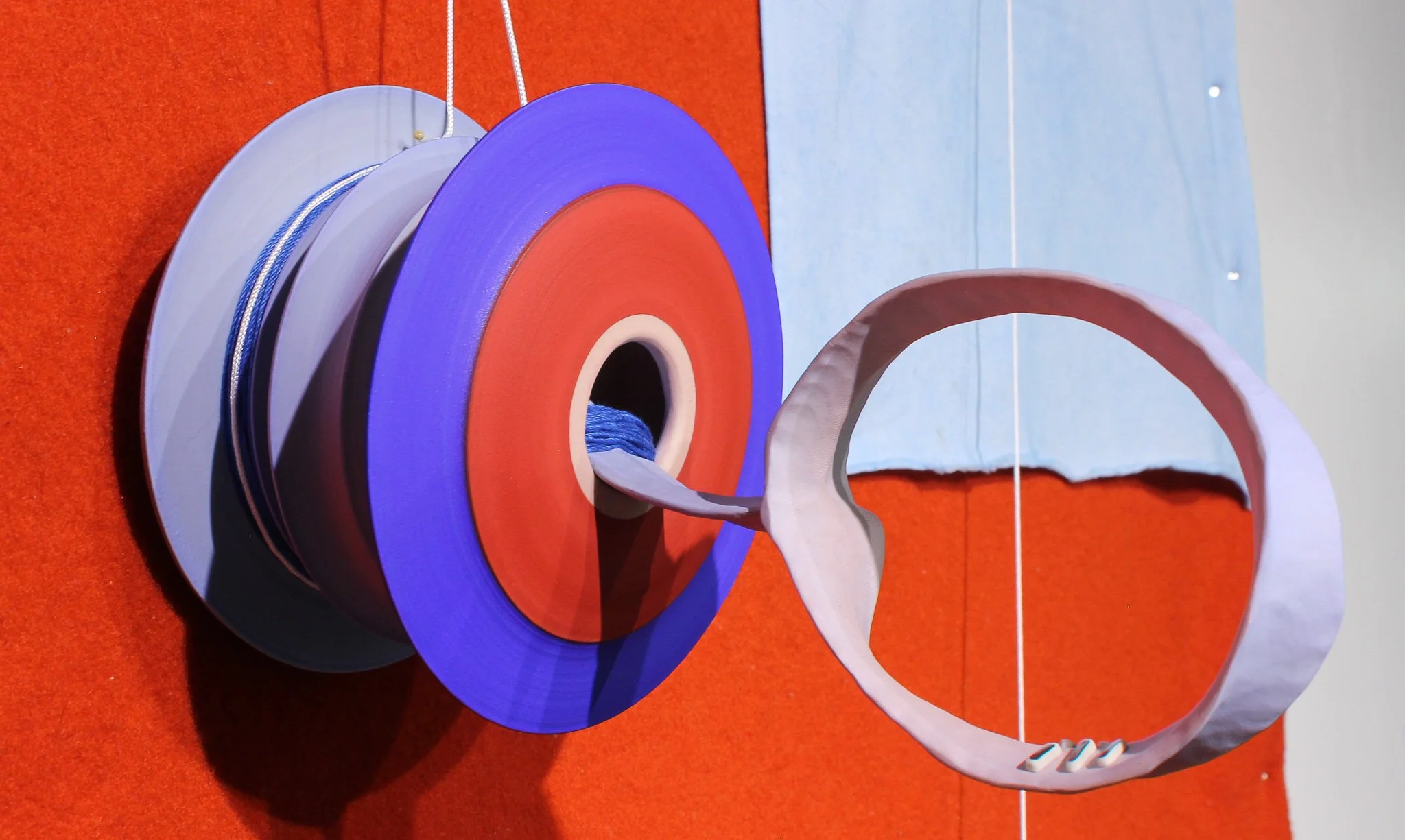
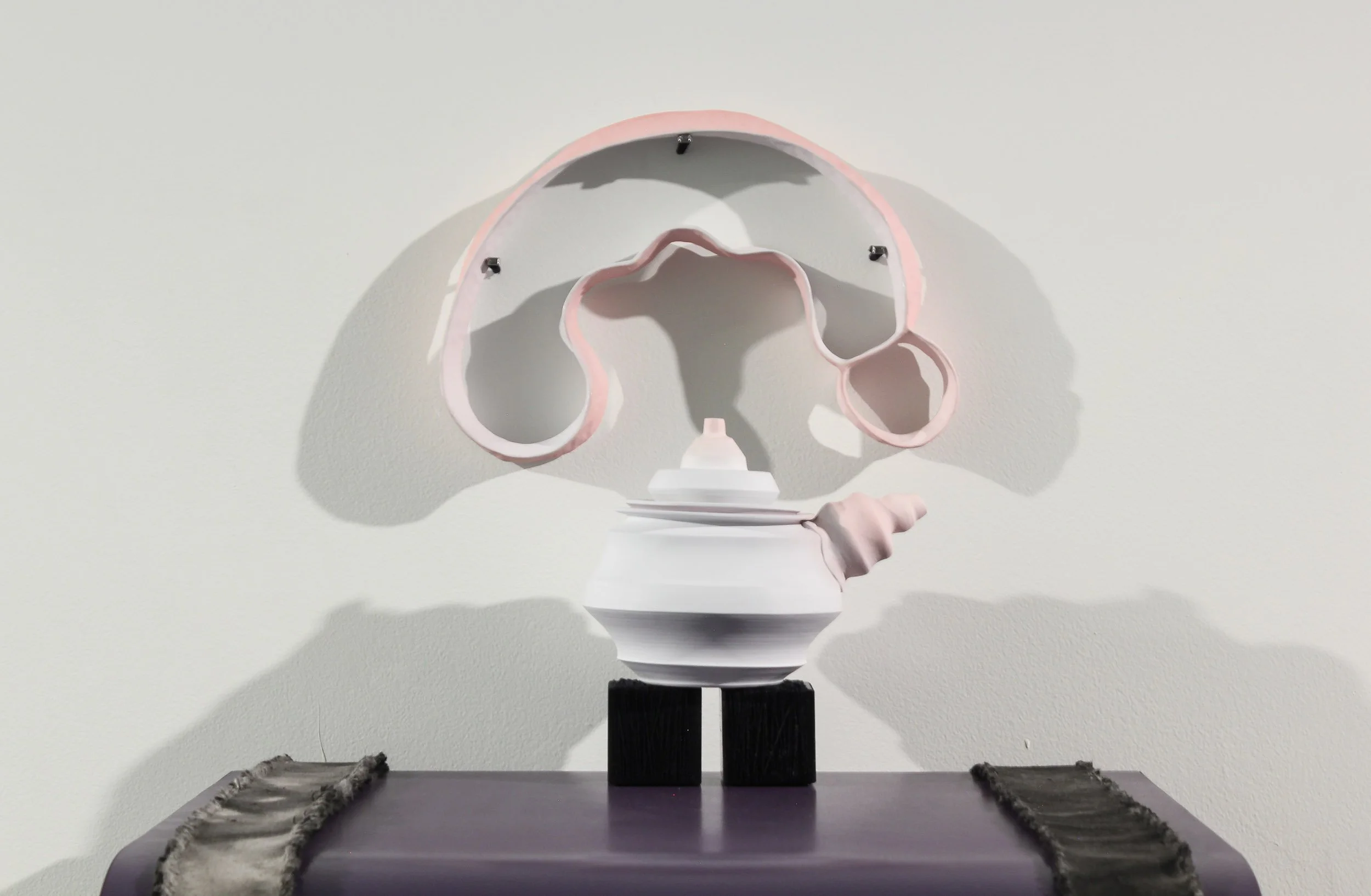
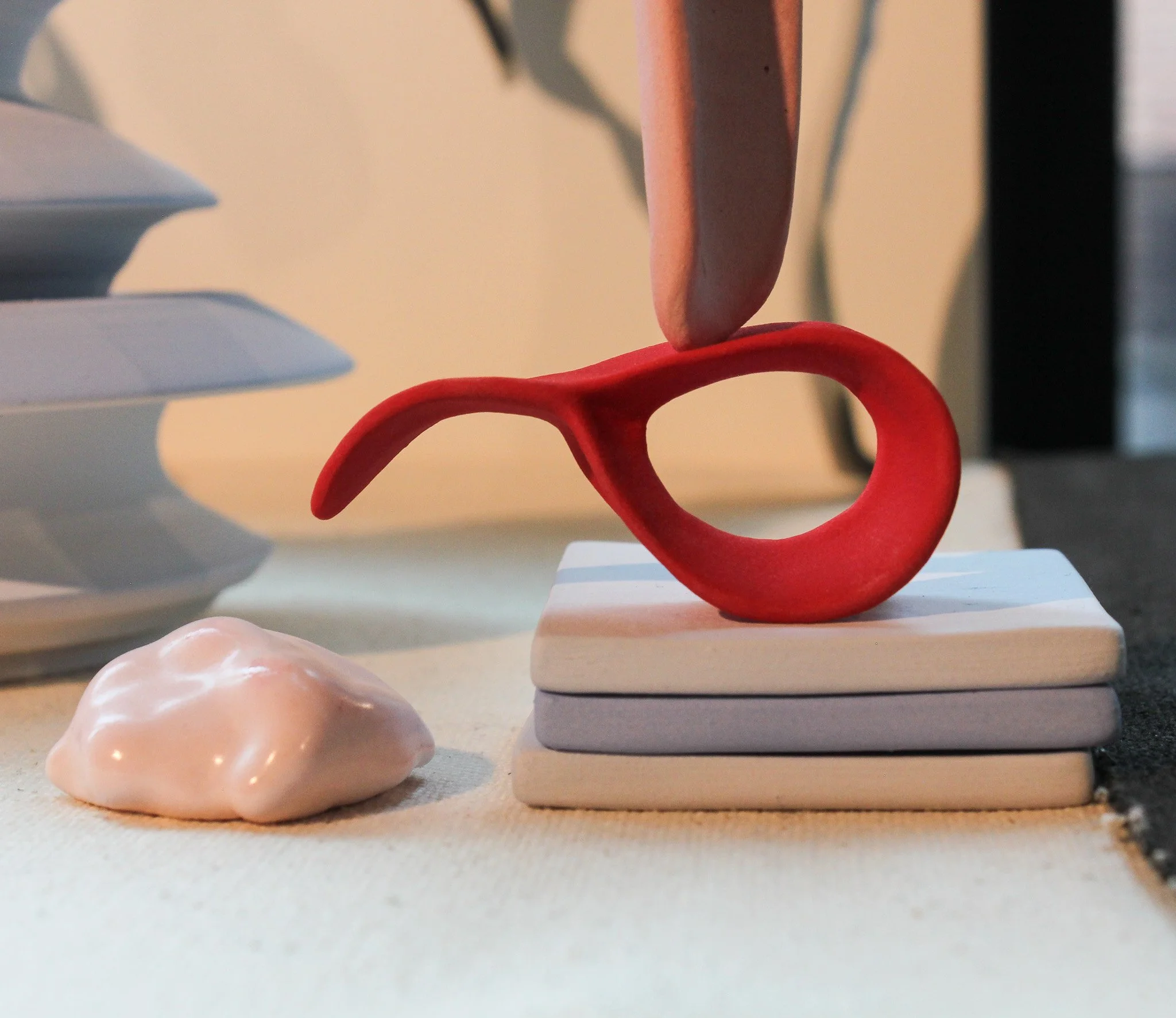
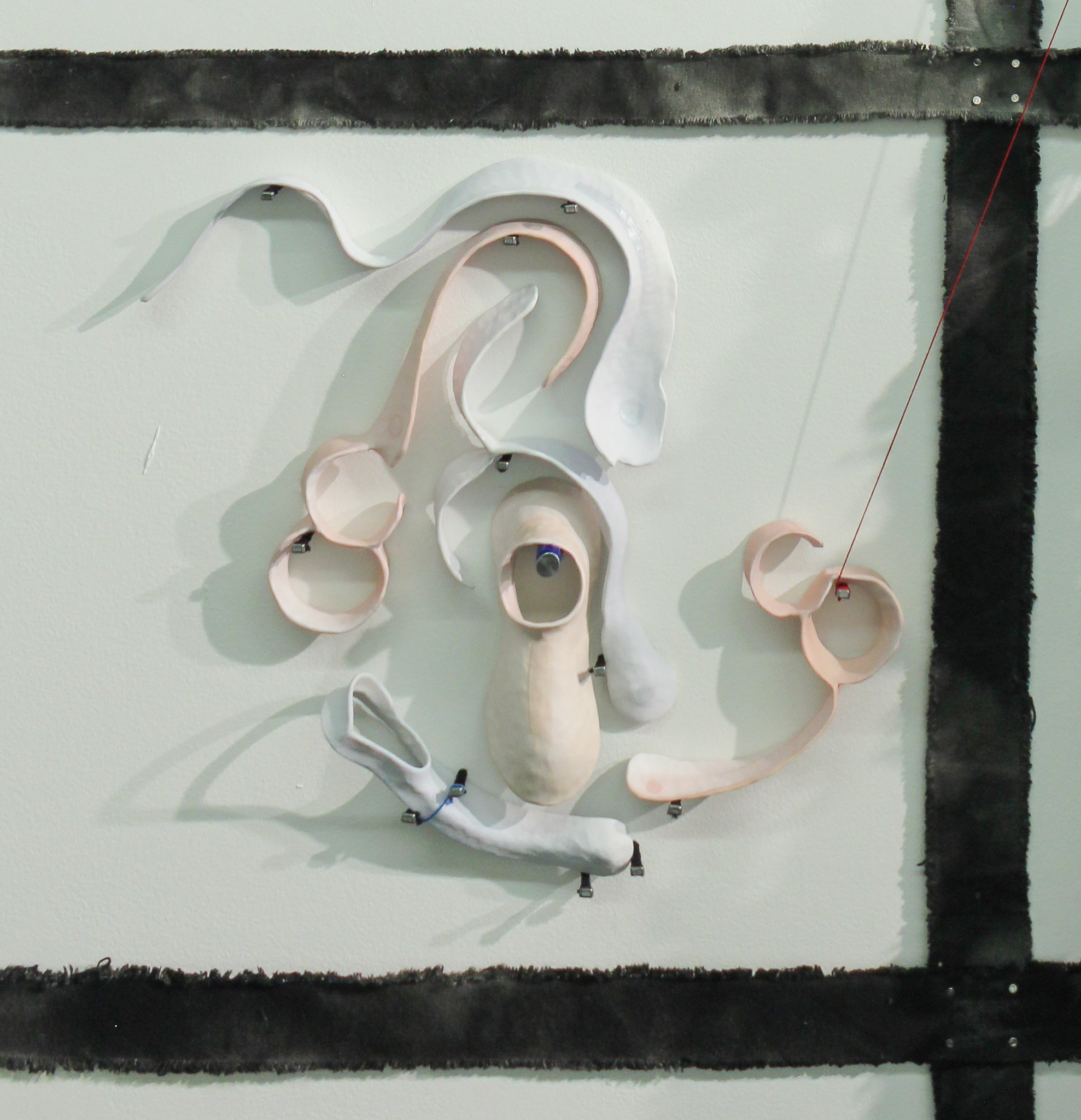
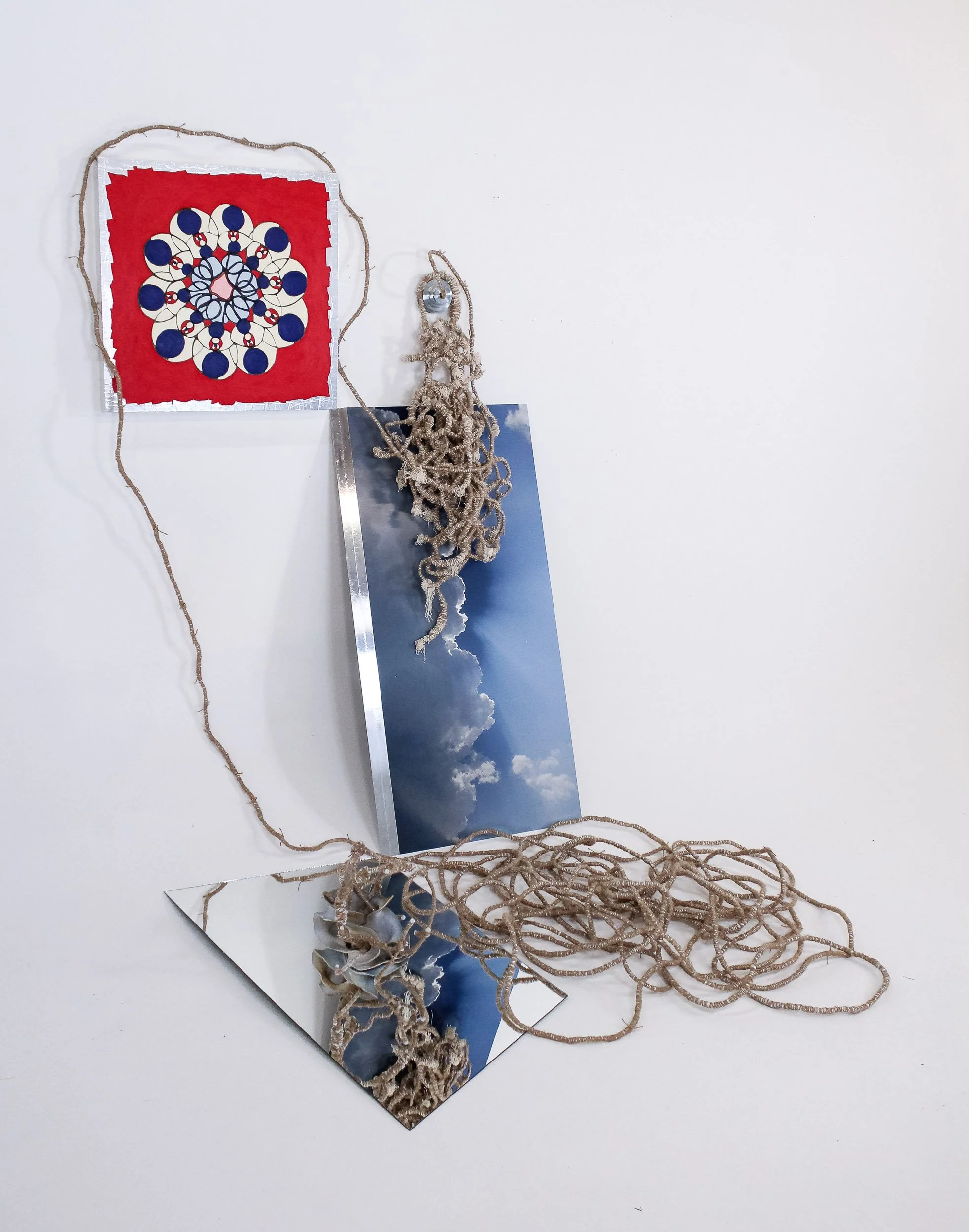
I trace structures as they form, destabilize, collapse, and reconstitute across scales. My work is drawn to systems that are fixed yet open, scaffolds that hold form while allowing change. These structures emerge through analog and digital drawing, and material processes. Lines, fragments, and gestures act as anchors, connecting configurations and linking perception to form. The work follows resonance. They function less as conclusions than as coordinates within wider fields of relation.
I first encountered this way of seeing through charts. At eleven years old, I opened an online brokerage account with my mother’s signature. Across the screen, green and red candlesticks pulsed like a living language I did not yet know how to name. I watched the lines rise, hesitate, and break, captivated by how emotion moved through them, shaping patterns that felt alive.
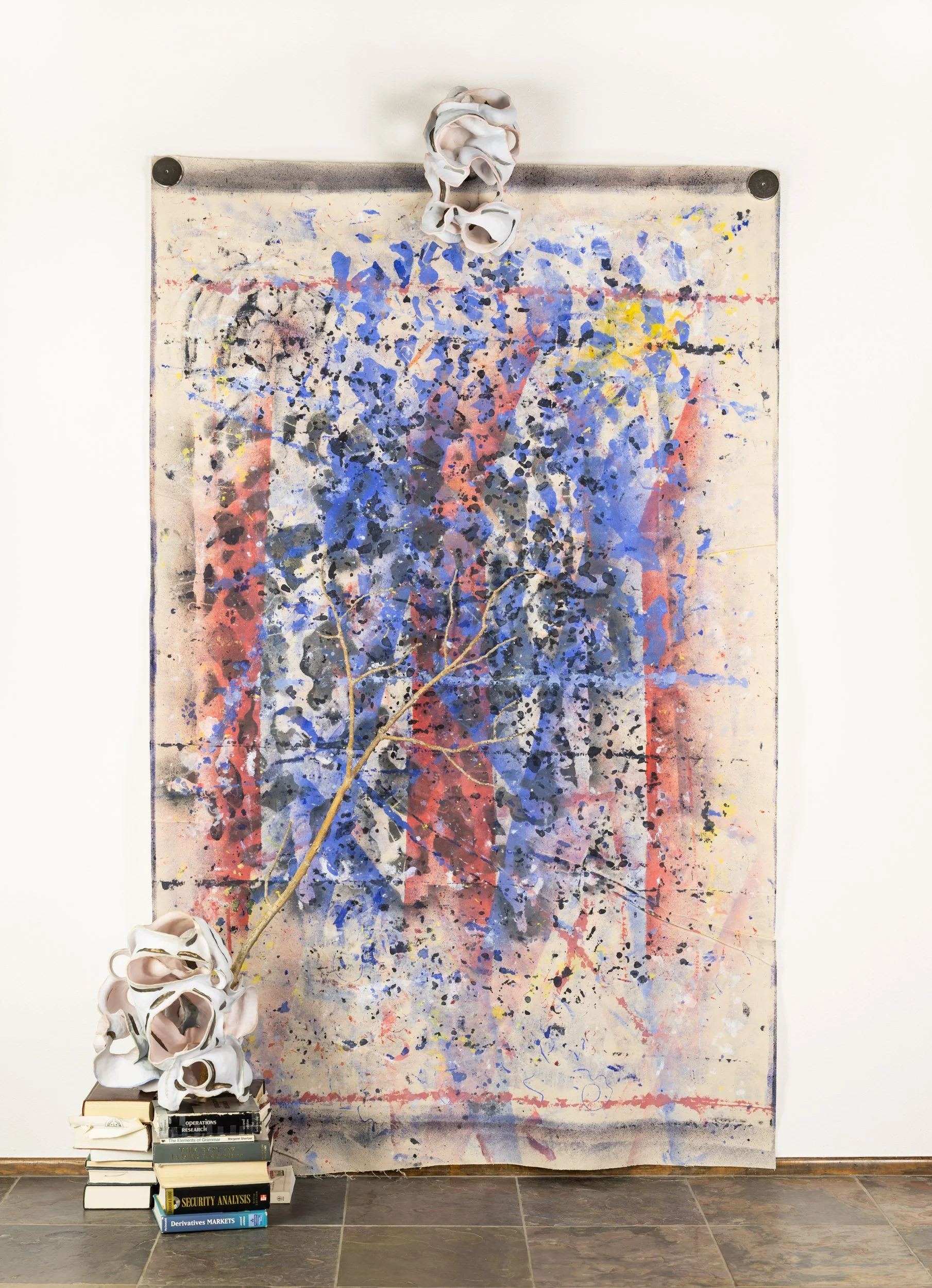
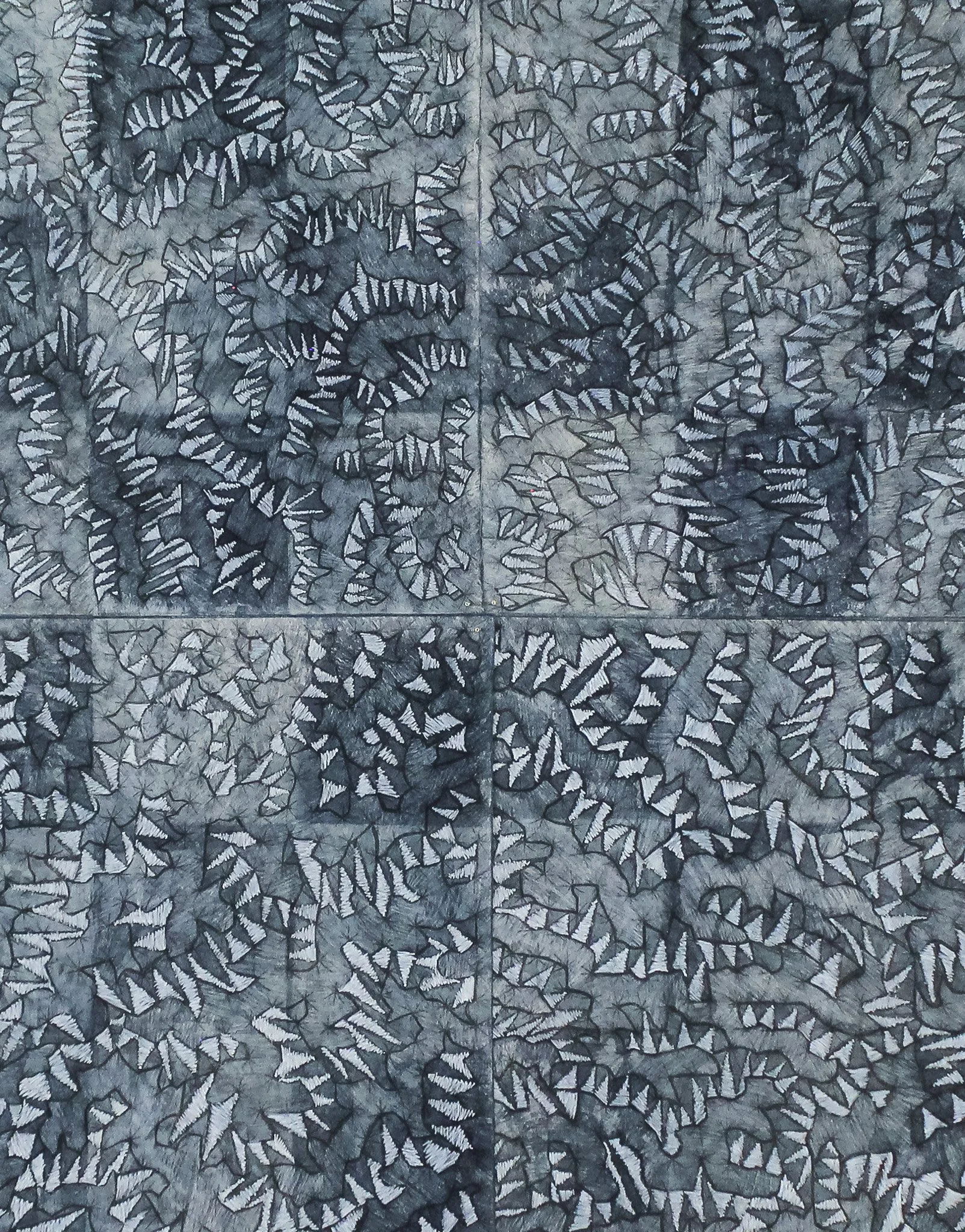
I began drawing directly onto these charts, mapping relationships across multiple time scales. The drawings revealed harmonic formations beneath the data.
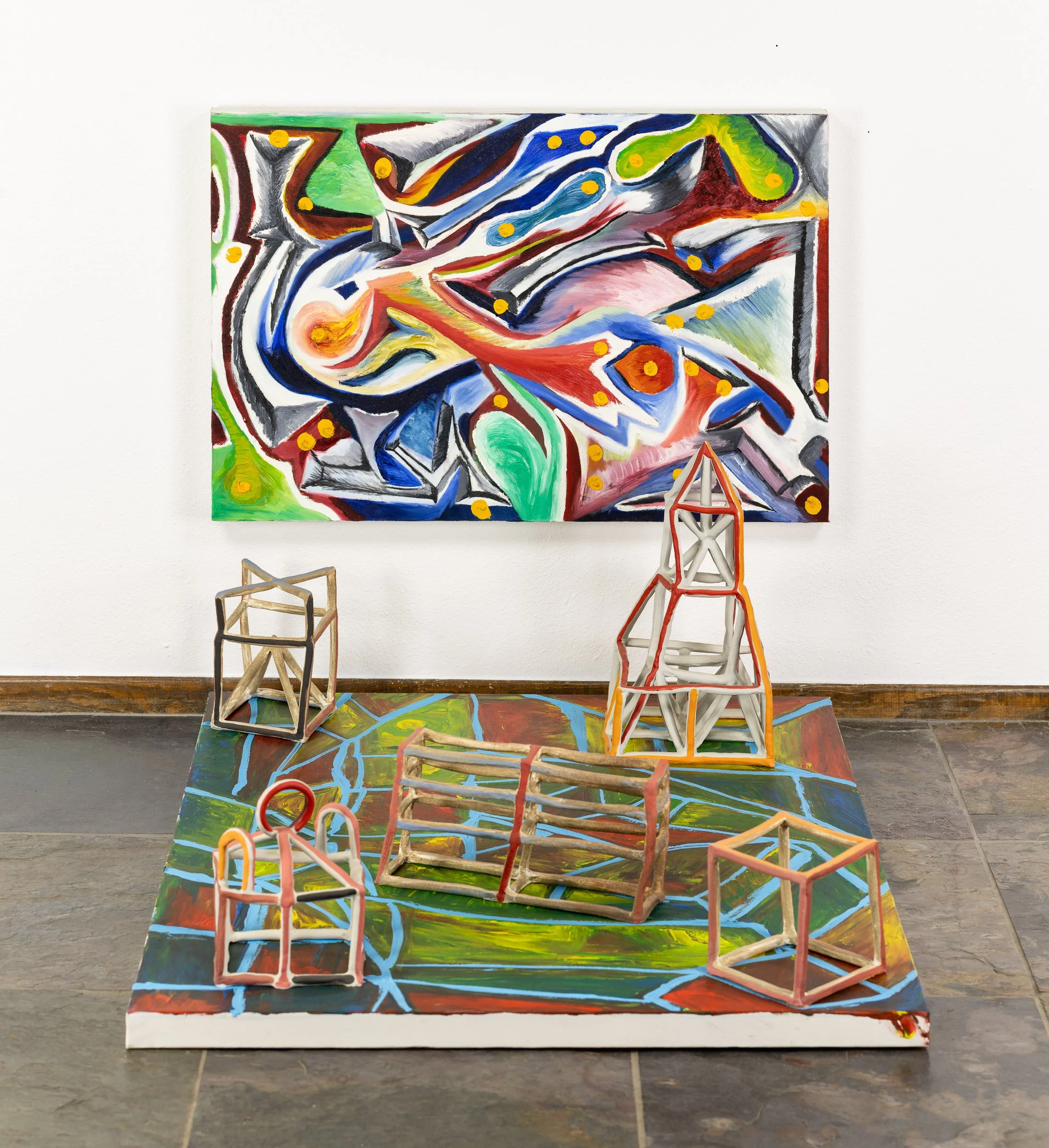
From these drawings, open scaffolds evolved: fixed but flexible, capable of combining, nesting, and scaling. Markets, algorithms, and volatility became inseparable from the observer tracing them. I layered lines by hand and cursor, returning to the same gestures until separate rhythms began to lock into one another. Pressure built through repeated contact, as marks accumulated and reorganized with sustained layering. Coherence was never discovered whole; it was gradually assembled. As I formally studied finance and lived through the financial crisis of 2007 to 2009, structure took on weight.
Fear, greed, pride, and denial were no longer abstract. They unfolded alongside my uncertainty about stability, employment, and future direction. My scaffolding persisted, but its meaning shifted. It began to mirror my lived experience and the data it once described. Compression gave way to release, followed by reorganization. The cycles I had once charted externally began to register internally.
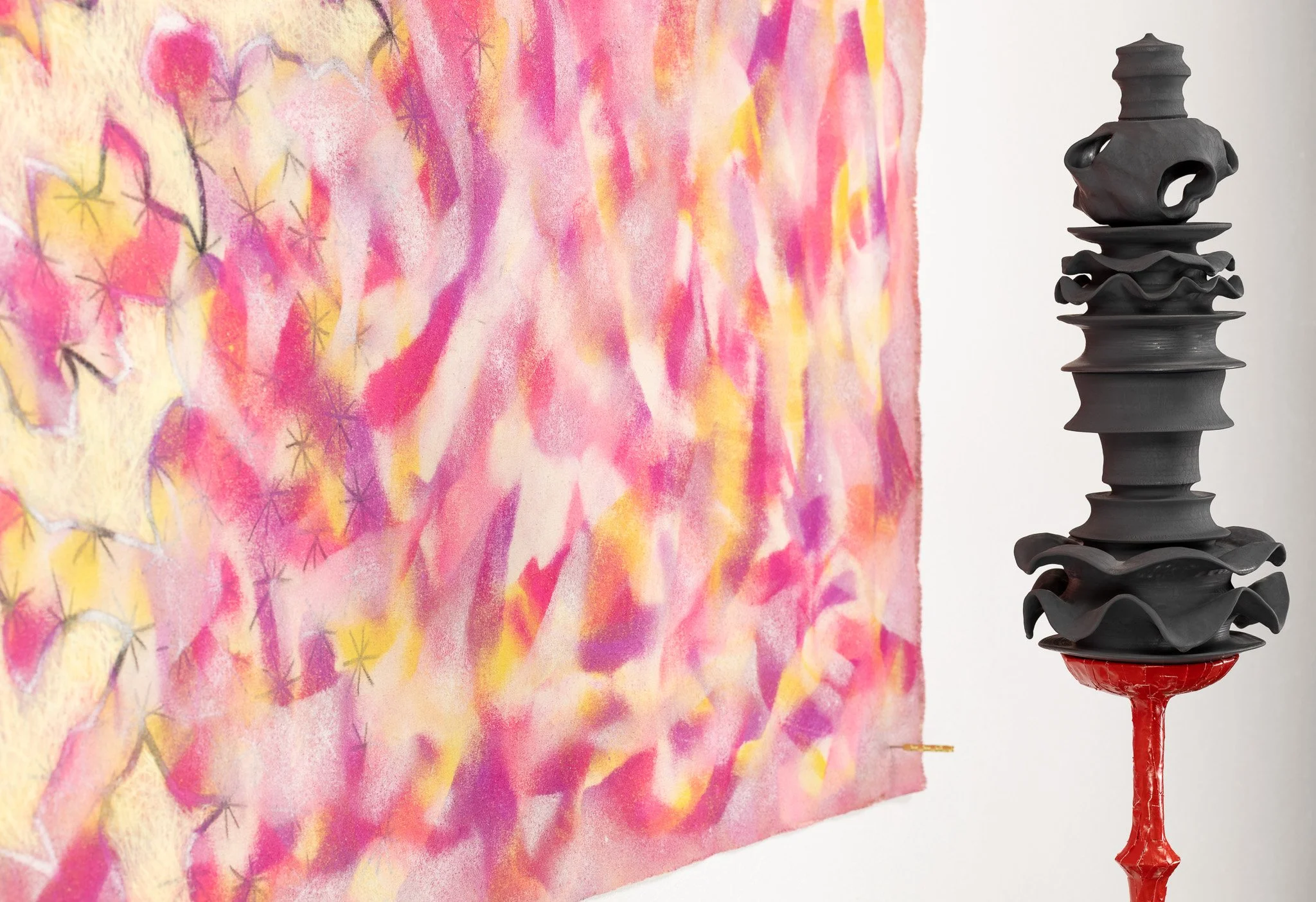
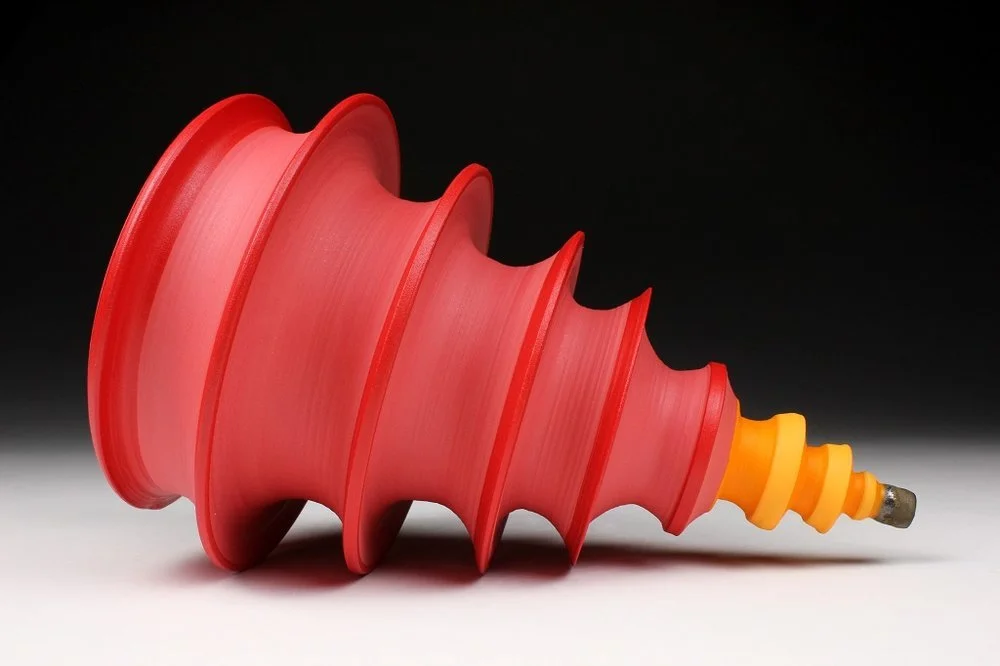
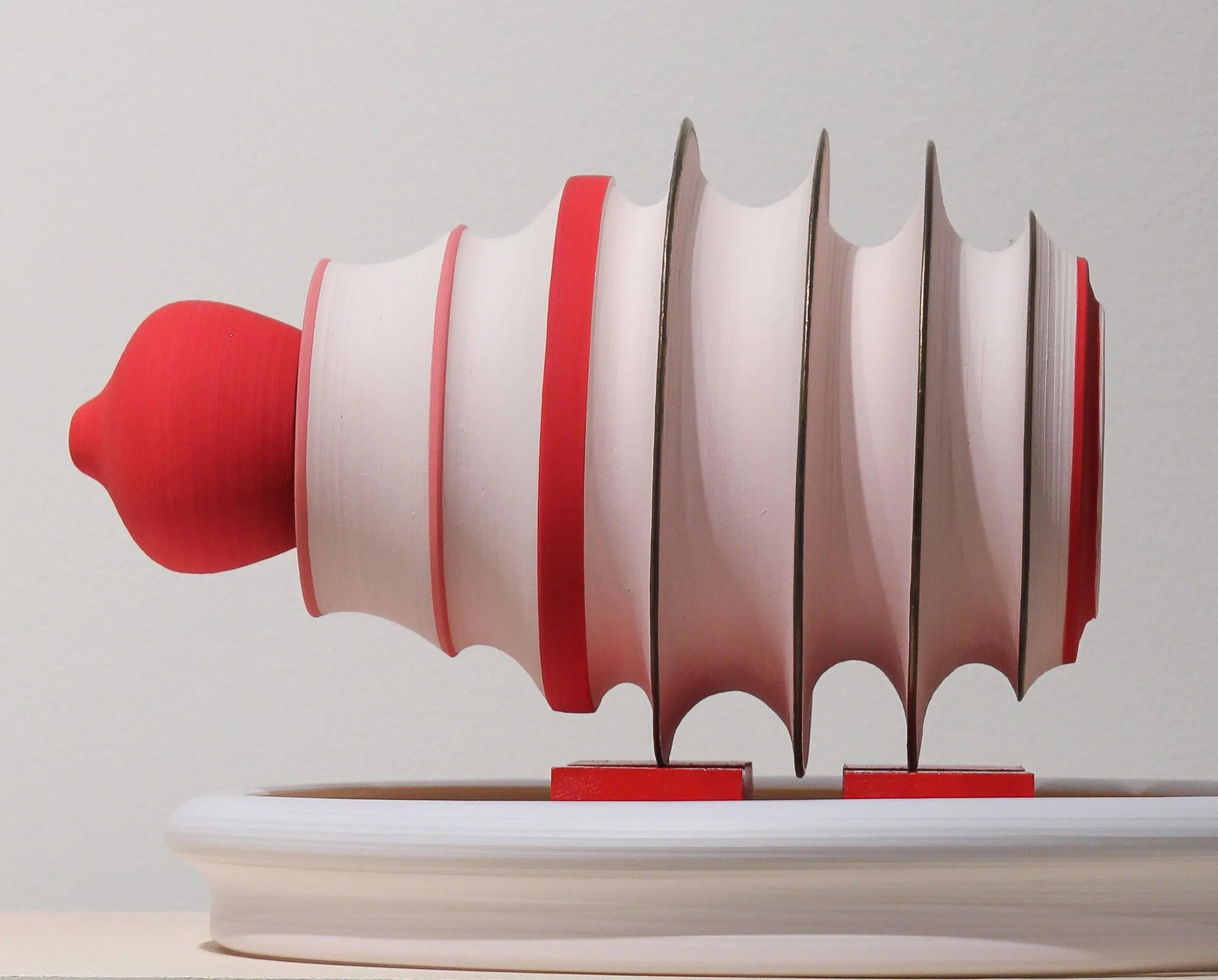
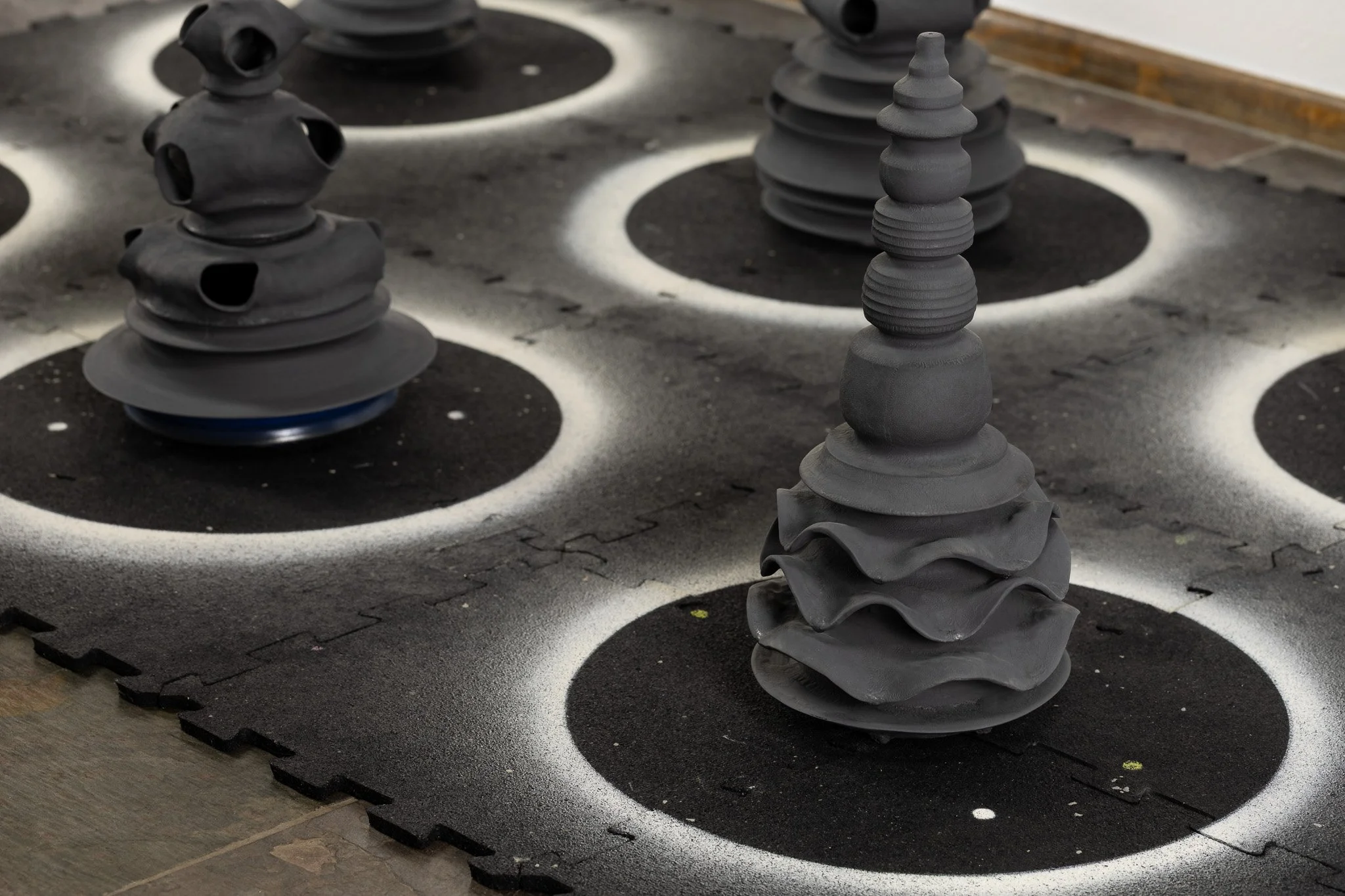
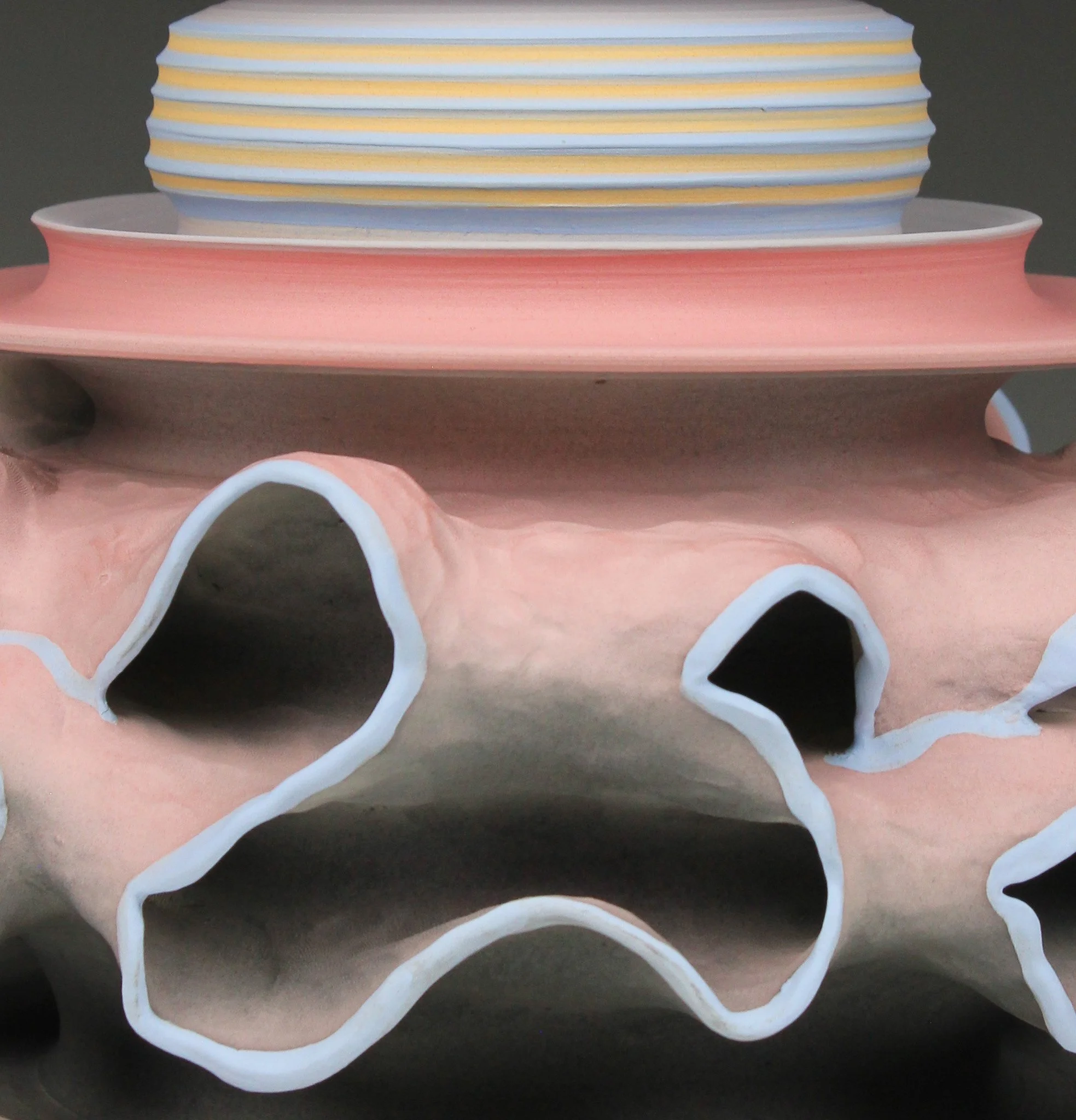
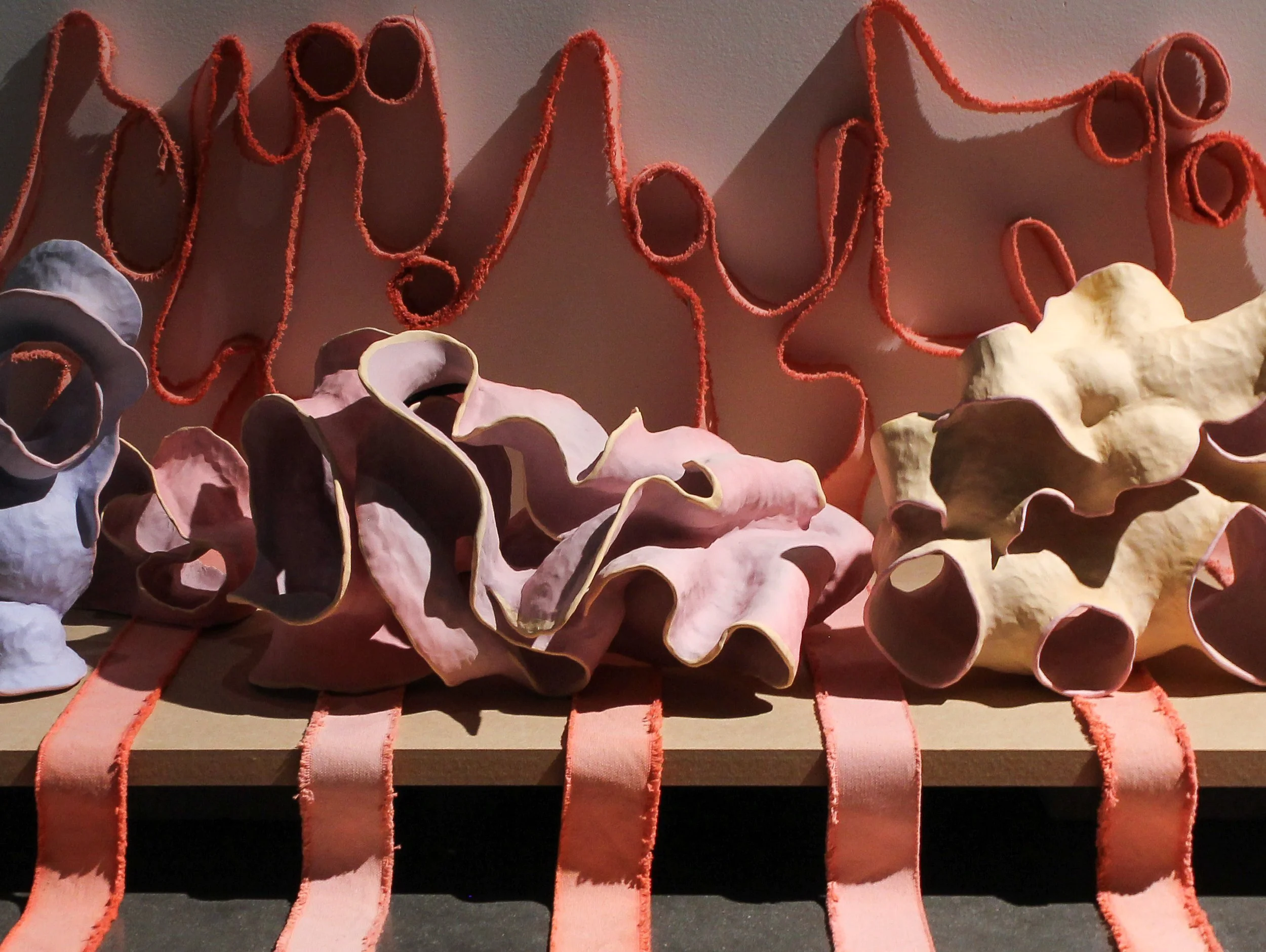
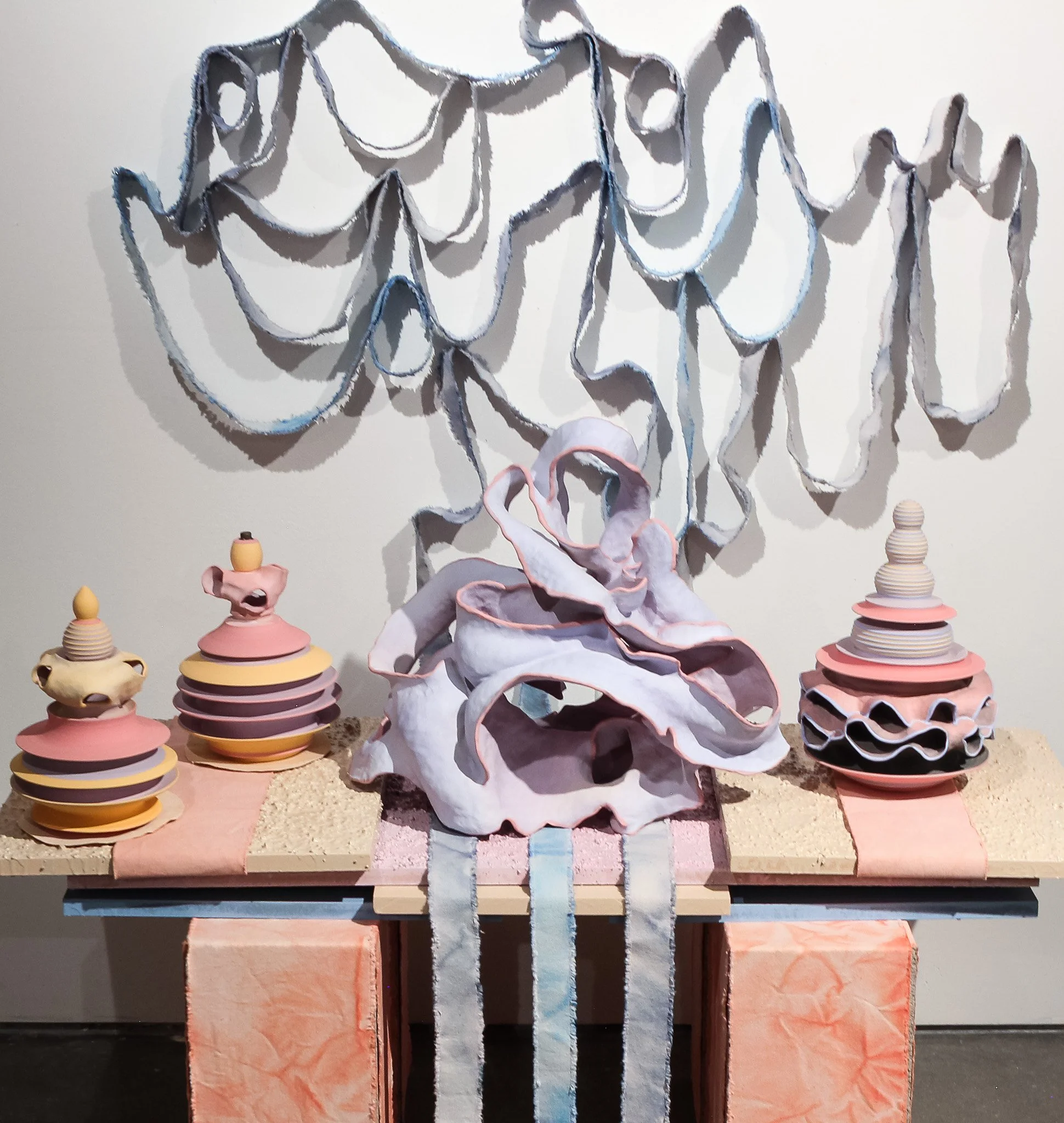
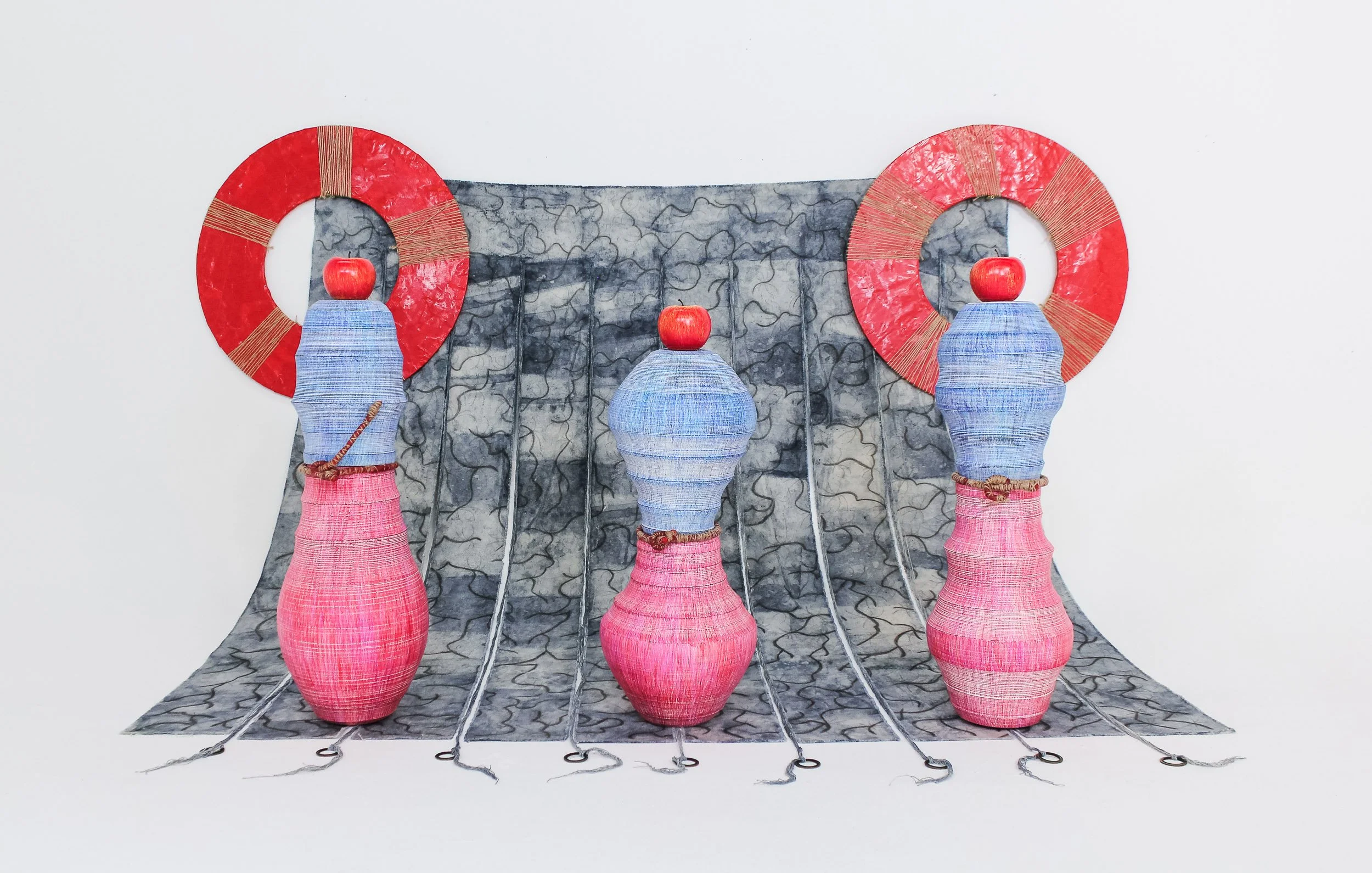
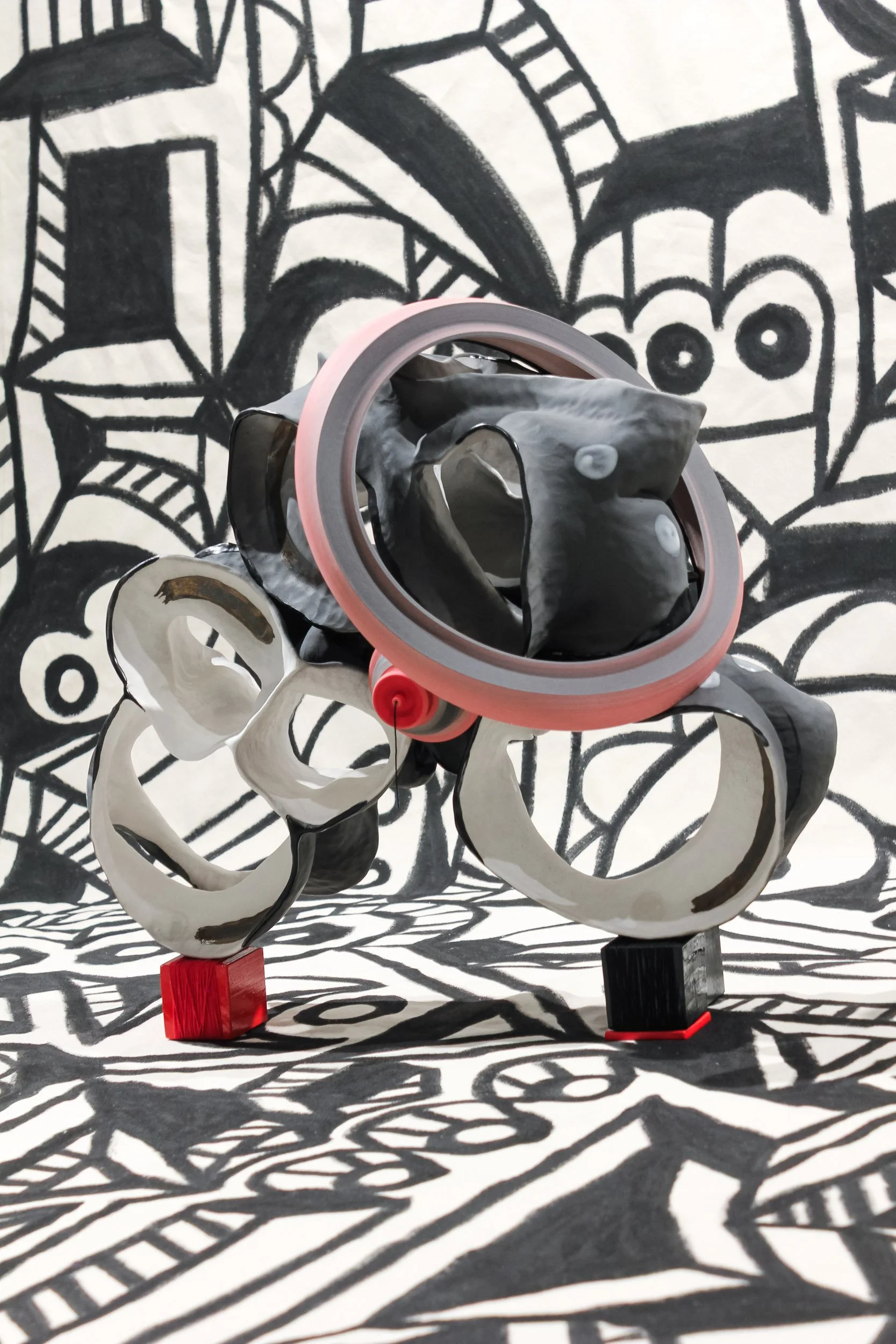
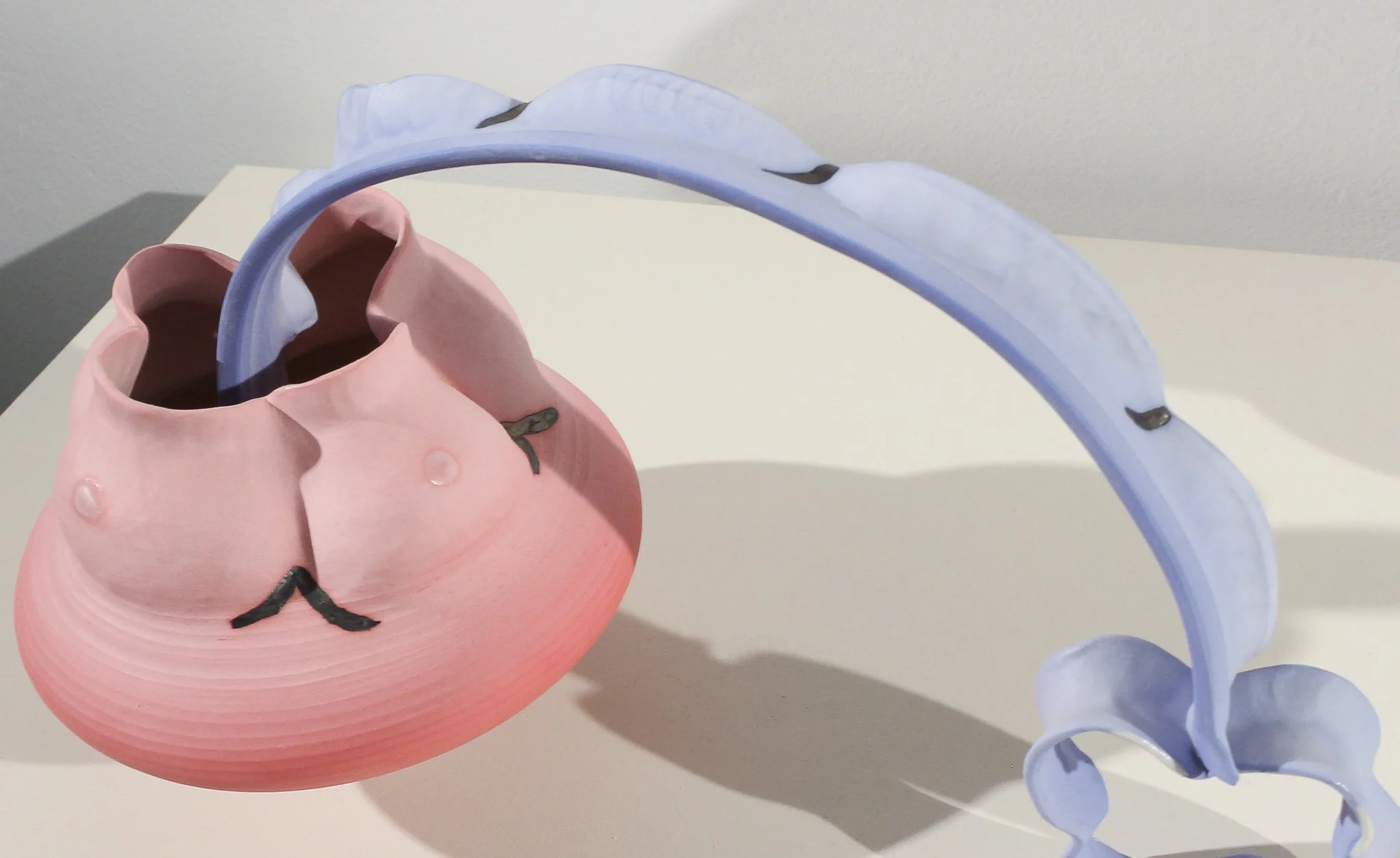
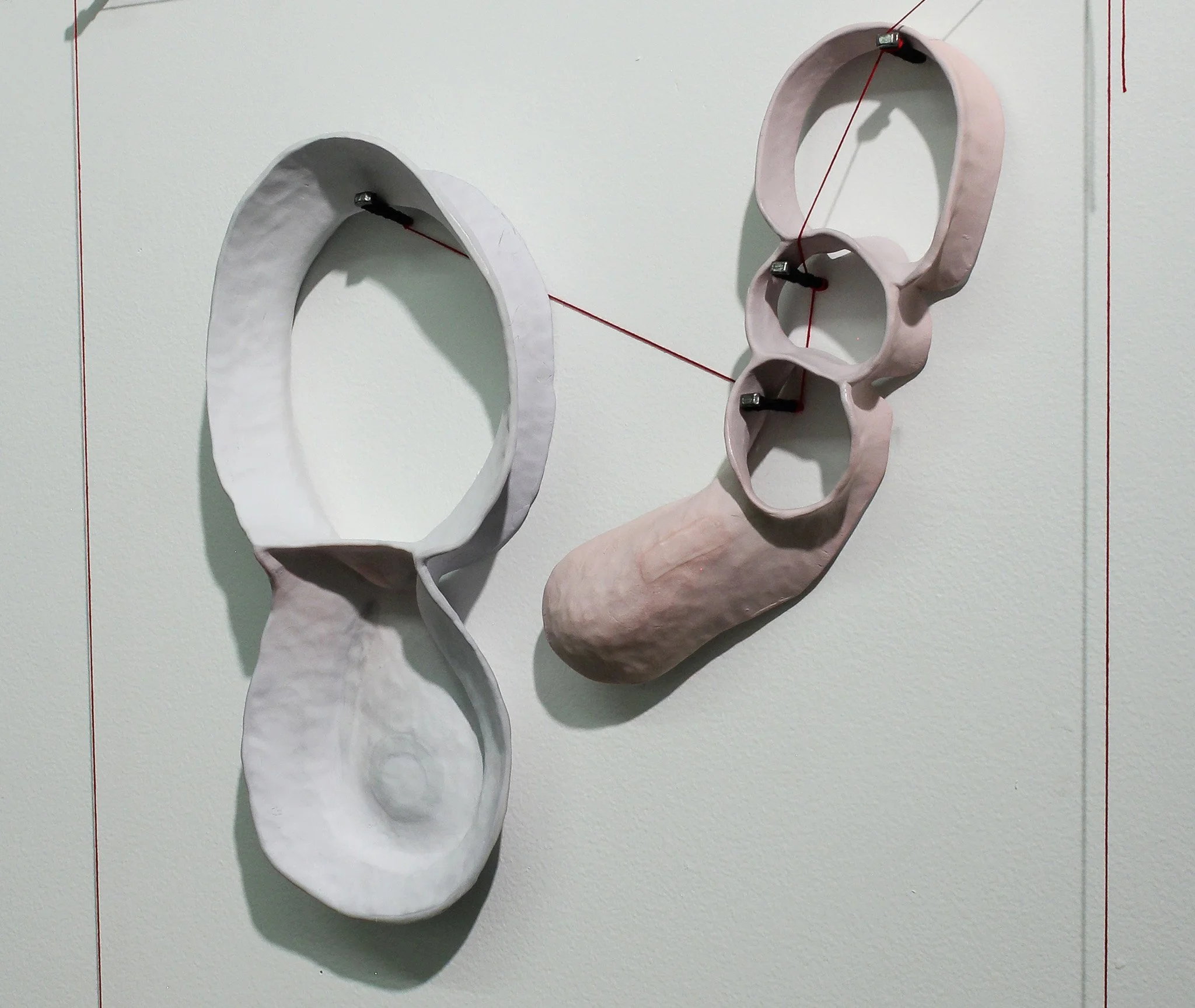
I reached a limit. The intangibility of these systems demanded a counterbalance. Clay introduced that necessity. On the wheel, I encountered a negotiation between force and restraint. I captured air inside closed vessels, then pressed, pinched, and destabilized their walls as they spun. Slip gathered under my fingers as the walls thinned and trembled, and I learned to feel collapse just before it arrived. Each movement required attunement to the fragility in my hands, stabilizing as much as shaping. The vessel recorded not only the wheel’s frequency, but the quieter, more vulnerable rhythms of my body. Abstract harmonics became tactile.
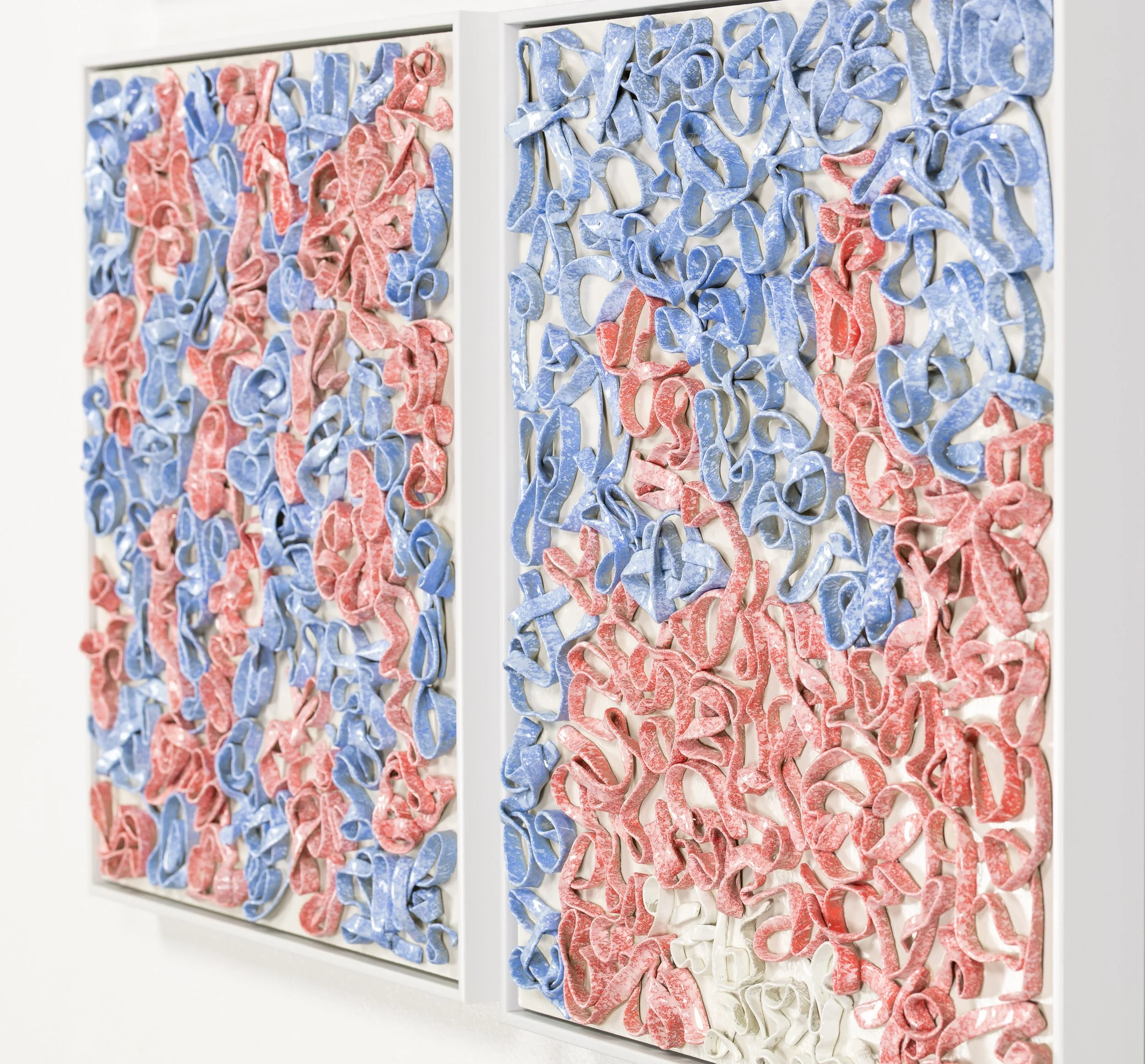
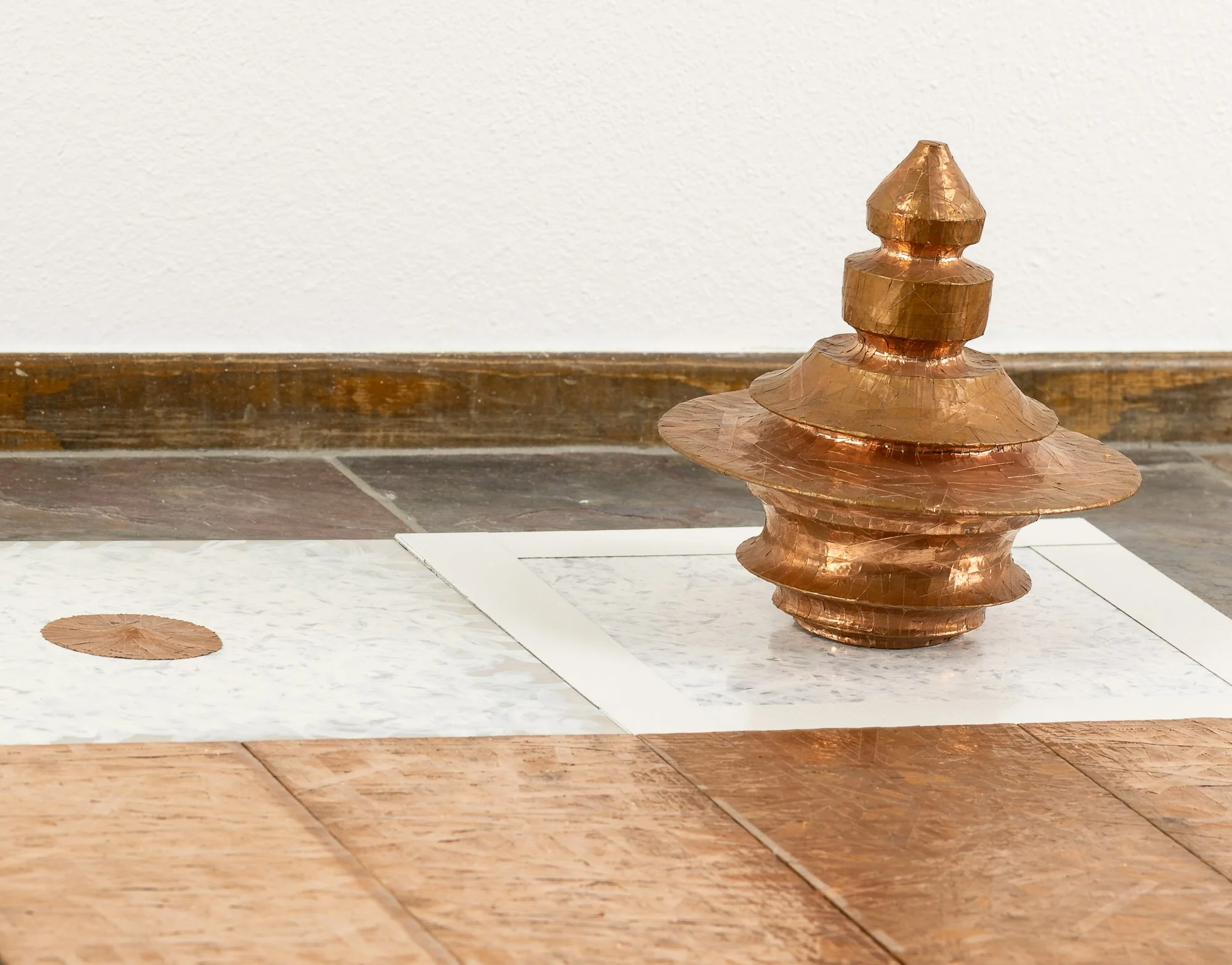
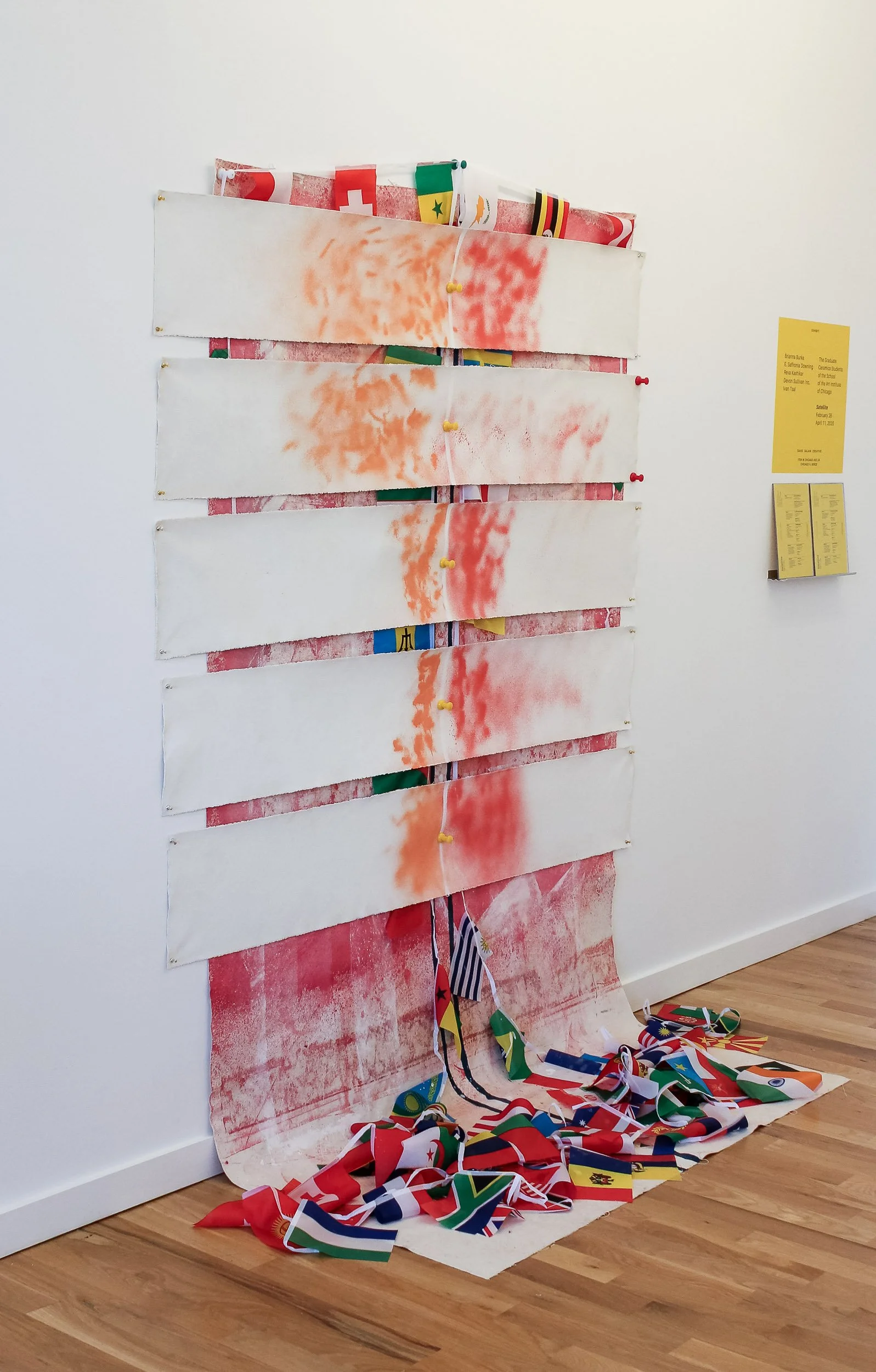
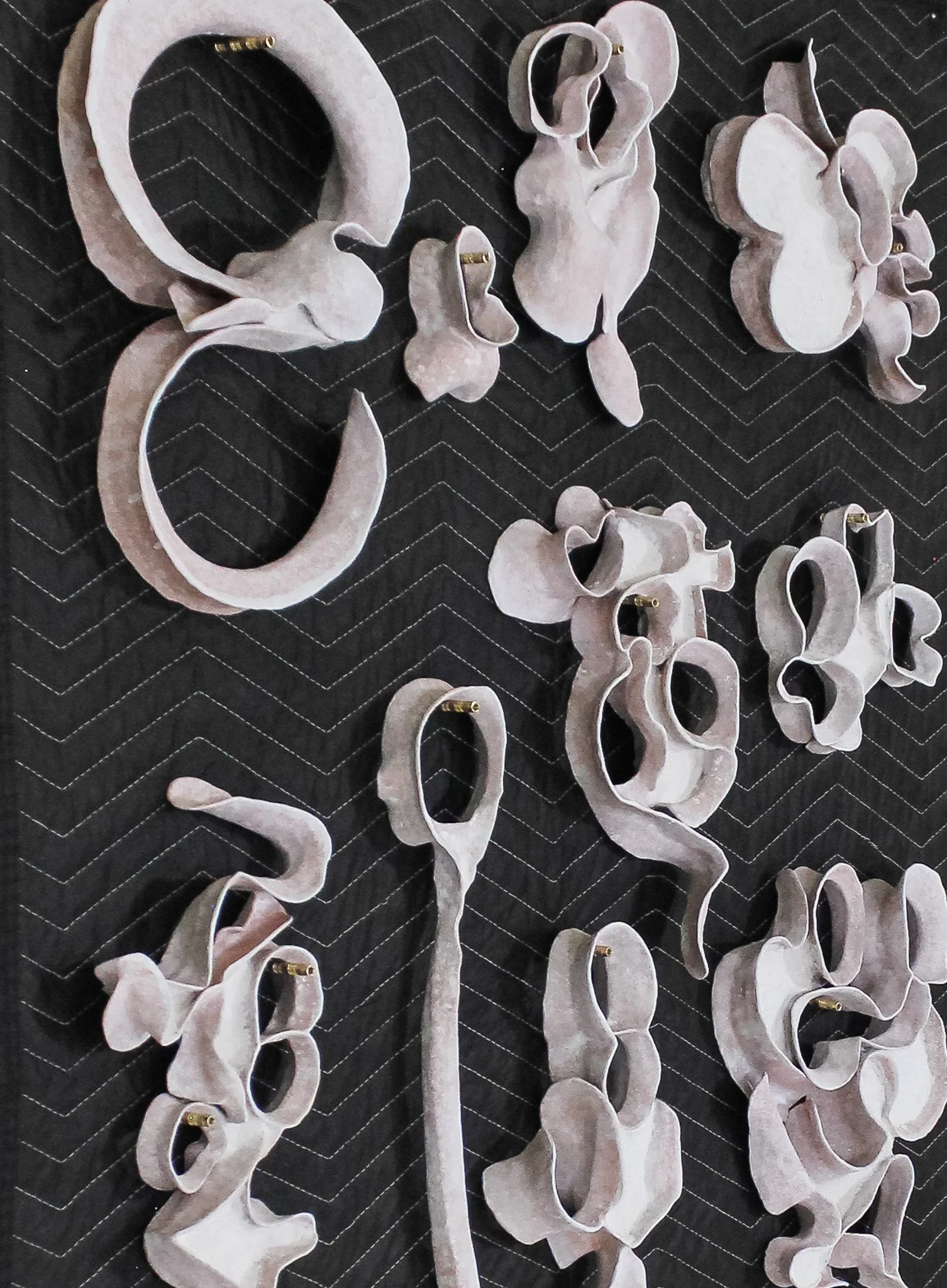
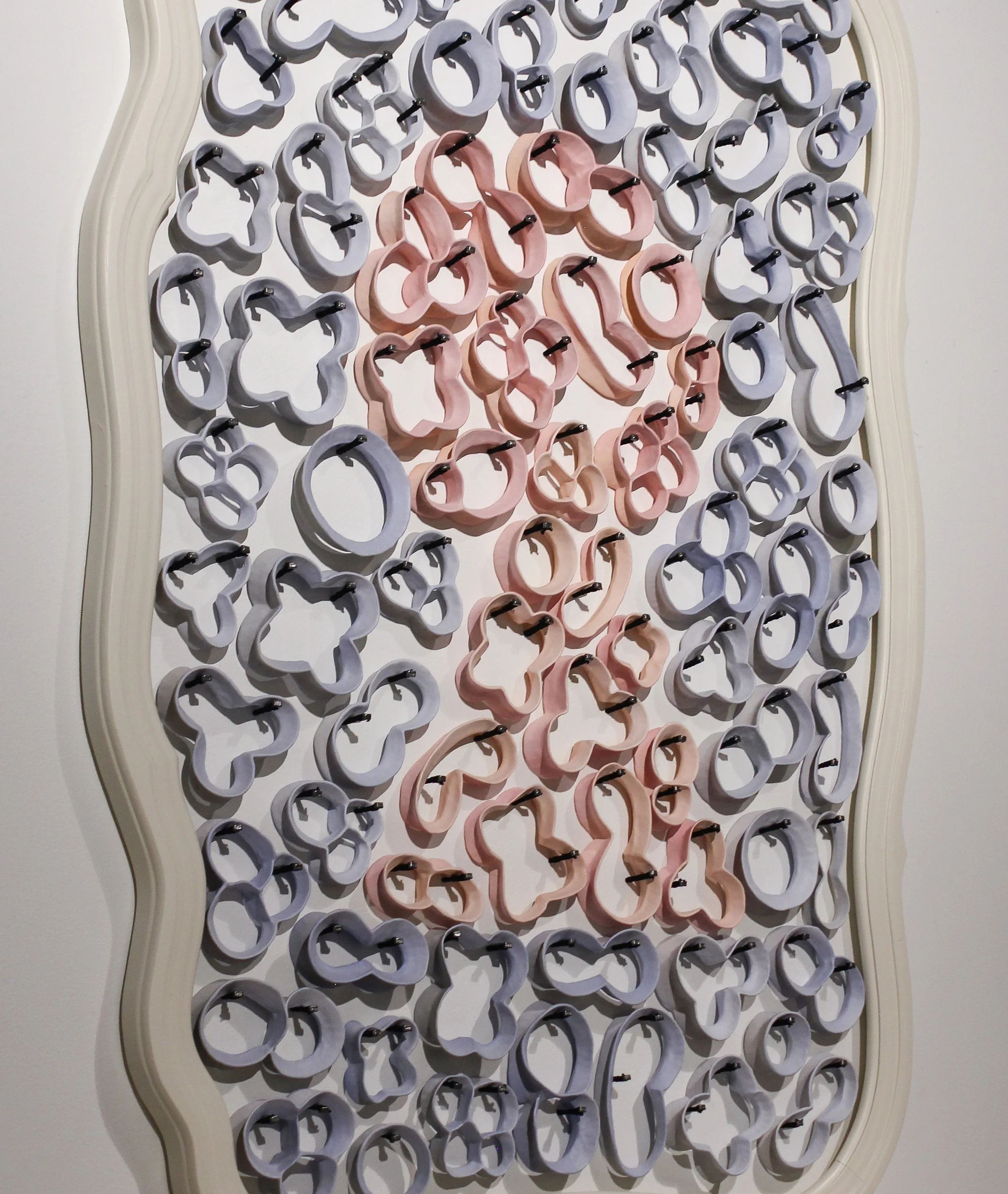
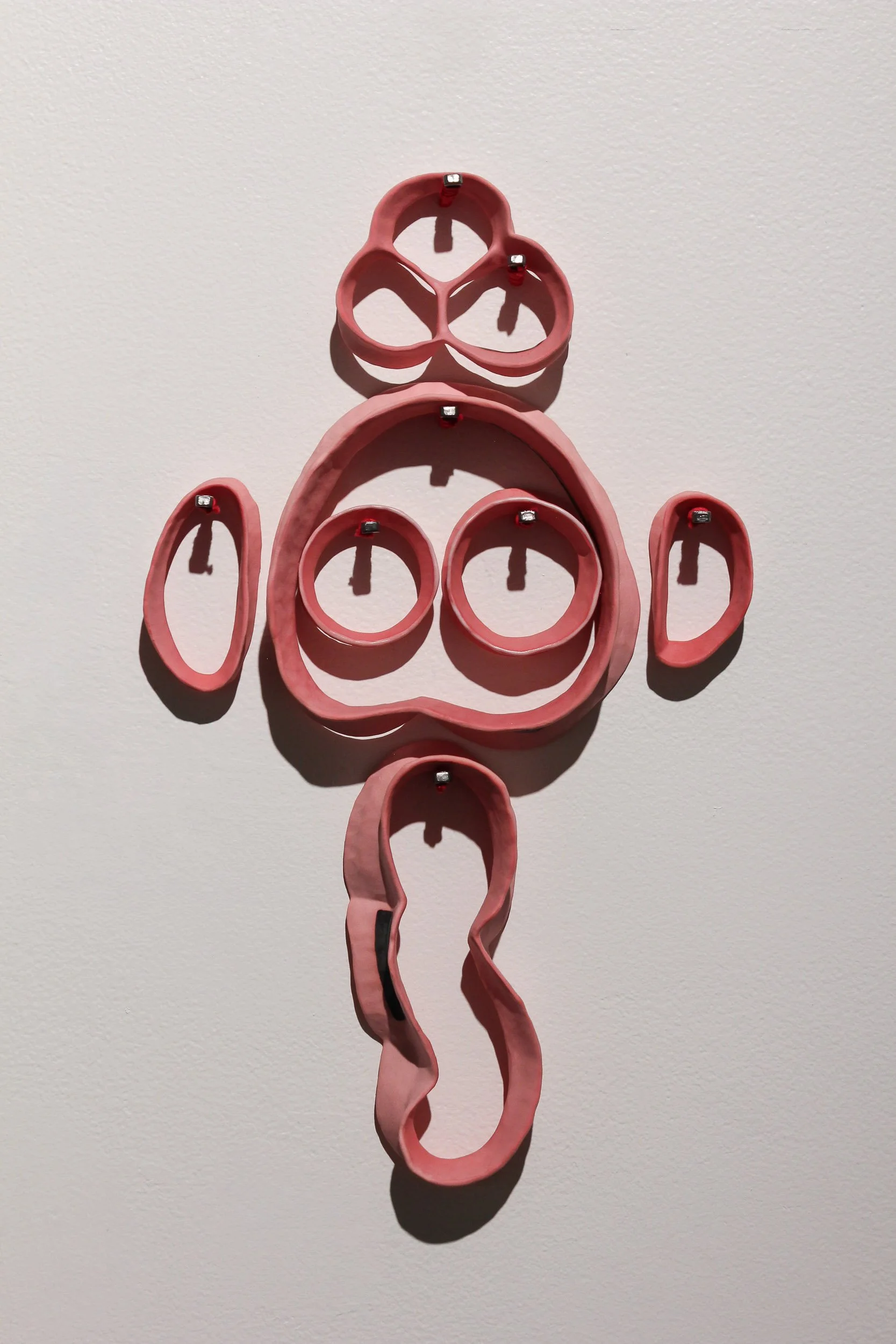
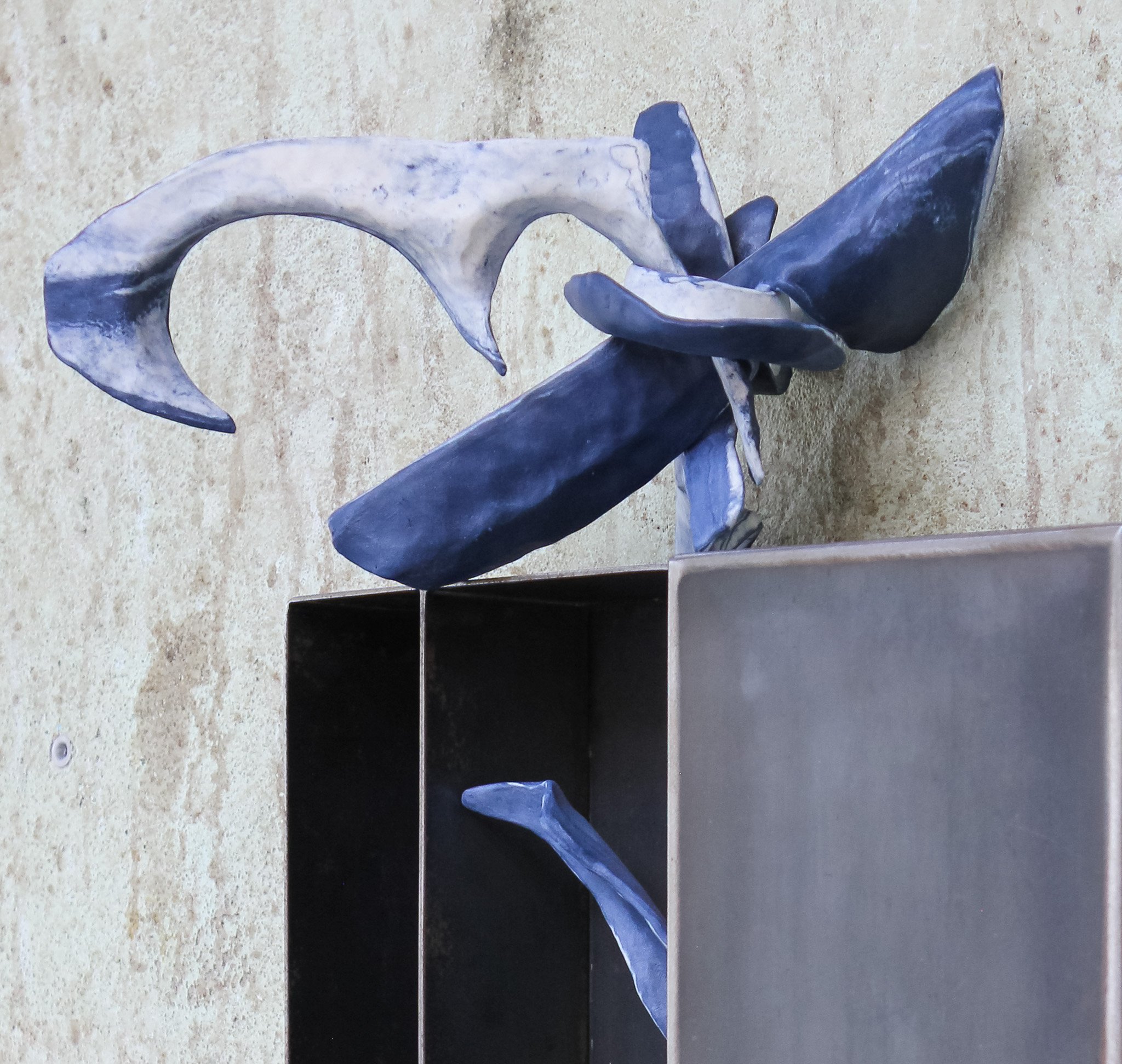
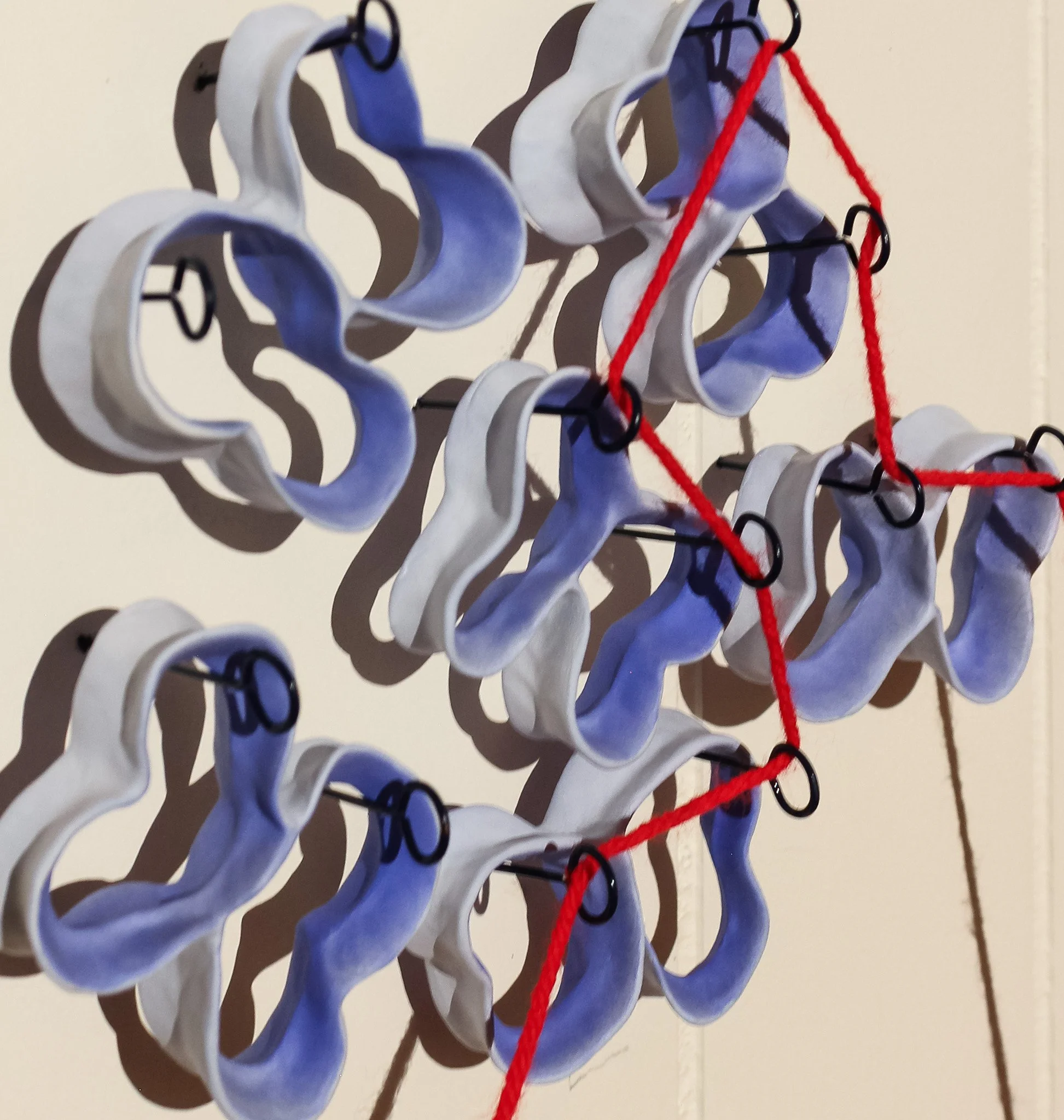
Leaving the wheel marked another shift. I began working with fragments: small masses spread across the table, clay residue pressed into my fingers, small organic remnants pinned to the wall. Repetition and ritual became a way of keeping the parts connected. The work shifted from contained relation toward relation in space, as if the fragments themselves required space to remain in relation. Forms opened into configurations suggesting larger fields. Within them, parts remain distinct while contributing to a shared coherence. Breaking containment became essential. What had once been held within the vessel needed to unfold outward, into lived experience, into everyday life.
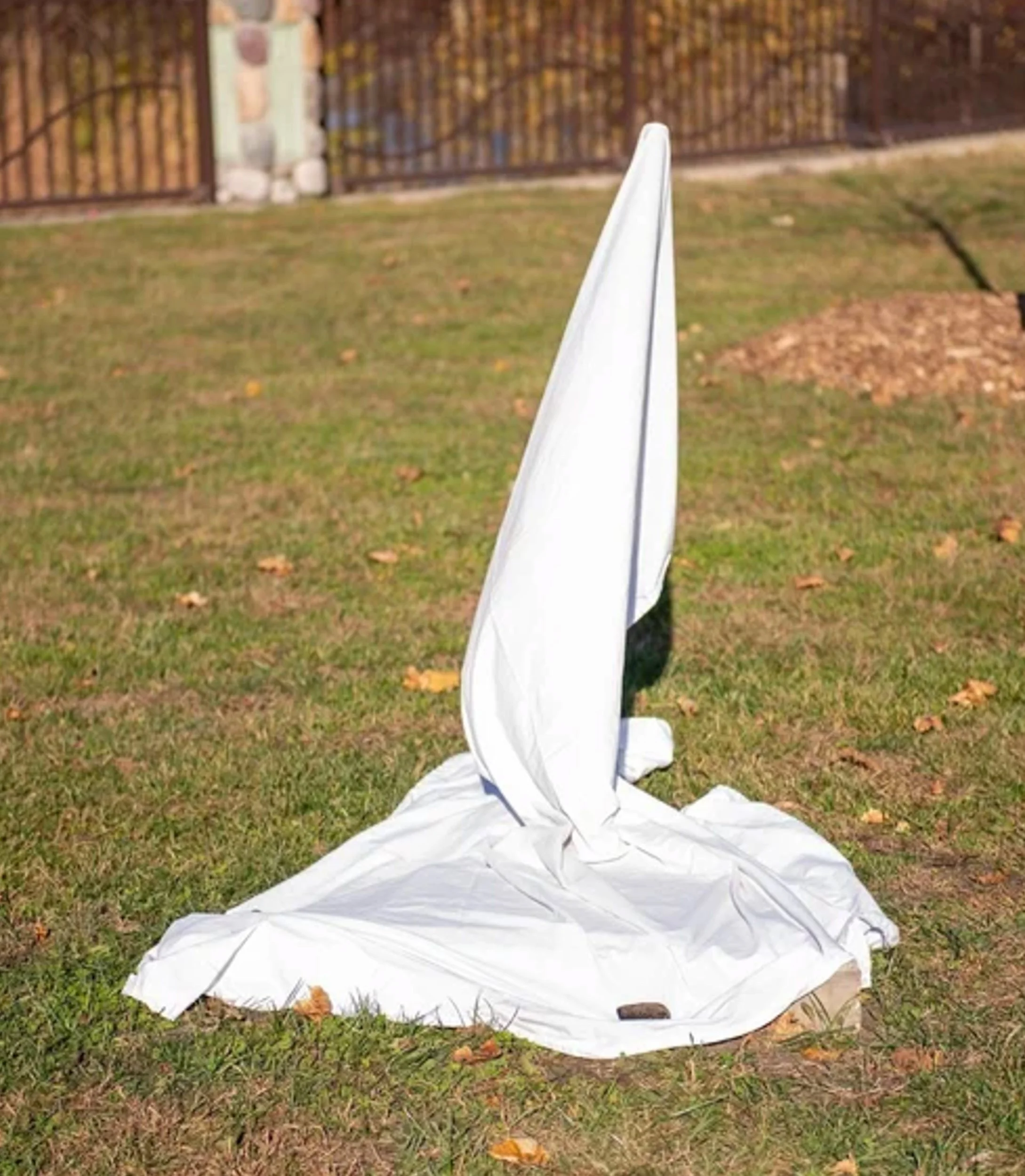
This same recursive logic returned with force during the Covid years. With my graduate degree in art completed at the onset of Covid, I returned to my parents’ basement, where sleeping space and studio space collapsed into one another, making rest inseparable from work. I remained there as my adult life was beginning, while above me my father’s cancer progressed from stage 1 to stage 3B.
Familiar patterns re-emerged. Speculative markets surged and collapsed; wealth accumulated and dissolved, while fear and hope oscillated at scale. Volatility was no longer metaphorical. It was intimate. What began in childhood through charts converged with illness and lived constraint.
The work moves through repetition, rupture, and return. What persists is not a conclusion, but a question: how structure can hold meaning without declaring it, and how form can transmit knowledge without instruction. The work resides at this threshold, where material and gesture articulate a logic felt before it is understood.
Form and intuition remain in relation. The work remains deeply personal, even as it becomes quietly shared. Structure becomes resonant, meaning stays in motion, and movement continues toward deeper bodily attunement to the harmonics shaping the field I trace.